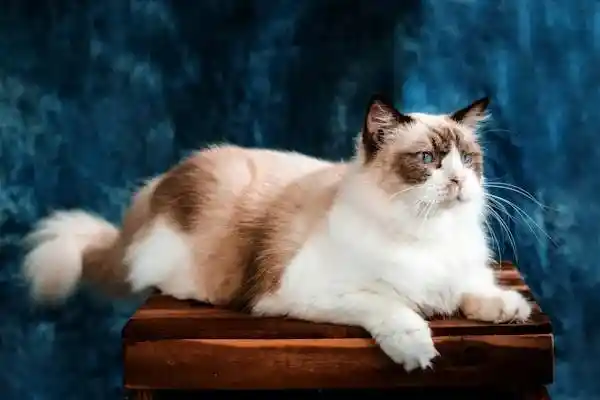
The pros and cons of Ragdoll cats go beyond their famous blue eyes and affectionate reputation. These large, semi-longhaired cats are often people-oriented and relaxed, but they still need daily interaction, regular grooming, play, routine veterinary care and a safe home environment.
The biggest advantages are companionship, a generally gentle disposition and often good adaptability to family life when introductions are handled properly. The trade-offs can include purchase or adoption costs, coat maintenance, potential breed-related health risks, a need for company and the practical demands of caring for a large indoor cat. Not every Ragdoll shares the same temperament, activity level or health outlook. For many households, the Pros and Cons of Ragdoll Cats are easier to judge after writing down the daily tasks and realistic monthly costs.
This guide weighs the Pros and Cons of Ragdoll Cats in everyday terms, including time, grooming, long-term costs, health screening and the questions to ask before bringing one home. It is designed to help you decide whether the breed fits your household, rather than suggesting Ragdolls suit everyone.
Reviewed and updated on October 23, 2026.
What Are Ragdoll Cats?
The Ragdoll was developed in California in the 1960s and is recognized as a large, blue-eyed, pointed cat with a semi-long, silky coat. The breed is often described as affectionate and laid-back, but it is not accurate to assume every Ragdoll enjoys being picked up or will go limp when held. Respect each cat’s signals and allow it to choose when it wants contact. See the TICA Ragdoll Breed Profile for the recognized breed description, color patterns and general care information.
Although breed descriptions are useful starting points, individual cats vary. Early socialization, health, age, past experiences and the home environment all influence how a Ragdoll behaves. A calm breed reputation should never be treated as permission to handle a cat roughly or leave it without enough interaction.
Pros of Owning a Ragdoll Cat
More Affectionate and Social
Ragdolls are one of the most affectionate cat breeds. They are known for their loyalty to their owners and are often described as “puppy-like” in their desire for companionship. Unlike many other cat breeds that prefer independence, Ragdolls thrive on human interaction and want to be part of the family. They follow you from room to room, greet you at the door, and happily curl up on your lap for a snuggle session.
Many Ragdolls enjoy sitting near people, following family members between rooms or relaxing on a lap, which can make them a good match for someone who wants an involved companion. Still, not every cat enjoys being carried or cuddled. Let the cat approach voluntarily, support its body if you lift it, and stop when it tries to move away.
They tend to form strong bonds with their owners, and their affectionate nature extends to everyone in the household, including children, making them excellent family pets.
Often Sociable With Children and Other Pets
Many Ragdolls can live well with respectful children and other pets, especially when introductions are gradual and the cat has quiet places to retreat. Temperament is individual, however, and a breed reputation cannot guarantee that a specific cat will accept a dog, another cat or a busy household.
Children should be taught to let the cat approach, avoid pulling its tail or fur, never chase or corner it, and never pick it up without adult guidance. Interactions with young children should be supervised. Provide vertical spaces, hiding places and a separate feeding area so the cat can take a break. Introduce dogs and other cats gradually, using scent-swapping and controlled meetings rather than putting the animals together immediately.
Do not assume a Ragdoll will tolerate rough handling or be safe with small animals simply because it is usually described as gentle. Use individual behavior, careful introductions and supervision to guide the decision.
Manageable Coat With Regular Grooming
Ragdolls have a semi-long coat that many owners can maintain with regular combing, but they are not a no-grooming or non-shedding breed. Some cats have more undercoat than others, and shedding can increase seasonally. A metal comb used down to the coat, with particular attention to the armpits, trousers, chest and behind the ears, helps catch tangles before they become mats.
Many Ragdolls do not need routine baths unless they become dirty or a veterinarian recommends one. Nail checks, dental care, ear checks and coat inspections are still part of ordinary upkeep. Starting gentle handling and grooming when a cat is young can make these tasks easier later.
Intelligent and Playful
Ragdolls are highly intelligent and curious cats. They love interactive toys, games, and activities that engage their minds. Ragdolls are one of the few cat breeds that can be trained to walk on a leash, fetch, or even perform tricks like sitting or shaking hands. Their playful nature ensures they will entertain you with their antics, and they will keep themselves amused with puzzle feeders, toys, and games.
May Be Social With Visitors
Many Ragdolls are curious or relaxed around familiar visitors, but some cats need time to warm up or prefer to observe from a safe distance. Give visitors clear instructions not to chase, grab or force interaction. New environments can also be stressful, so maintain familiar routines and introduce changes gradually.
Cons of Owning a Ragdoll Cat

Health Concerns and Lifespan
Ragdolls can live into their teens, but lifespan varies with genetics, preventive care, diet, environment and individual health. Like any breed, they can develop common feline conditions, and some health concerns deserve special attention when choosing a kitten and planning long-term care.
Hypertrophic cardiomyopathy (HCM): This heart-muscle disease is a recognized concern in Ragdolls. A DNA test can identify a specific known Ragdoll-associated mutation, but it does not screen for every cause of HCM and does not replace veterinary assessment or any heart imaging recommended by a veterinarian.
Weight and joint strain: Ragdolls are large cats, and excess weight can increase stress on joints and contribute to other health problems. Measure meals, limit excessive treats, offer daily interactive play, and ask a veterinarian to assess body condition rather than relying on a breed’s expected size.
Other feline health concerns: Urinary problems, dental disease, digestive complaints and kidney conditions can occur in cats, including Ragdolls. Do not assume every condition is caused by the breed or that every Ragdoll will develop one. Watch for changes in eating, urination, movement, breathing or behavior and consult a veterinarian when concerns appear.
Ask the breeder about the parents’ health history and screening, and keep copies of veterinary records. For more detail, read our HCM in Ragdoll Cats Guide and PKD in Ragdoll Cats Guide. The UC Davis Veterinary Genetics Laboratory’s Ragdoll HCM Test explains what the known mutation test can and cannot tell you.
They Need Company and Enrichment
Many Ragdolls enjoy staying close to people, so a household where everyone is gone for long stretches may need a plan for companionship and enrichment. This does not mean every Ragdoll has separation anxiety or that being alone for a predictable period automatically causes distress. Cats vary, and age, health, routine and past experience all matter.
Before leaving a cat alone, provide fresh water, suitable food arrangements, clean litter, safe resting places, scratching surfaces and toys that do not pose a swallowing or entanglement hazard. Add a predictable play session before and after work, and consider a trusted visitor when absences are long. A second pet is not a guaranteed fix and should only be introduced if both animals’ needs and temperaments make it appropriate.
Size and Space Considerations
Their large frame means you need appropriately sized carriers, beds, litter trays and sturdy climbing or resting furniture. But a small apartment is not automatically unsuitable. What matters is whether the cat has safe resting areas, vertical space, scratching options, clean litter facilities, opportunities for play and protection from hazards such as unsecured windows or balconies. A spacious house without enrichment may be a worse fit than a thoughtfully arranged apartment.
Regular Grooming Needs
Although the coat can be manageable for a semi-longhaired cat, it still needs regular care. Comb at least weekly as a starting routine and increase checks during shedding seasons or whenever tangles form. Mats can be uncomfortable, so do not wait until knots are tight against the skin. If a mat cannot be loosened safely, ask a groomer or veterinarian for help rather than cutting close to the skin with scissors.
While their fur doesn’t mat as easily as some other breeds, it’s still important to keep an eye on their coat and brush them regularly to prevent tangles and mats, especially during shedding seasons.
Ragdolls also require regular nail trimming, as their nails can grow long and sharp. Regular grooming helps to prevent these issues.
Is a Ragdoll Cat Right for You?
Ragdolls can suit families and individuals who want an affectionate companion and can provide daily interaction, regular coat care, play and preventive veterinary care. Their generally sociable reputation may be a benefit, but grooming is not optional and individual temperament varies. Before deciding, consider long-term costs, time away from home, health screening and whether you can create a safe indoor environment. A useful way to assess the Pros and Cons of Ragdoll Cats is to compare these everyday responsibilities with the kind of companionship you want from a pet.
Ideal Ragdoll Owners:
- People with plenty of time to devote to their cat.
- Families with children or other pets.
- Individuals or couples who are looking for a loving, laid-back companion.
Ragdoll Pros and Cons at a Glance
This quick table summarizes the most common trade-offs to consider before committing. The Pros and Cons of Ragdoll Cats depend on the individual animal and your routine, so use it as a starting point rather than a prediction of exactly how your cat will behave.
| Potential Advantages | Potential Challenges |
|---|---|
| Often affectionate and people-oriented | May need more daily interaction than a very independent cat |
| Can suit households with children or other pets when introductions and supervision are appropriate | Gentle reputation does not guarantee compatibility with every child or animal |
| Playful and often responsive to reward-based training | Still needs daily play, enrichment and safe scratching or climbing options |
| Semi-long coat can be manageable with a steady combing routine | Coat sheds and can tangle or mat without regular care |
| Can adapt to many indoor homes, including well-arranged apartments | Large size calls for suitable carriers, beds, litter trays and sturdy furniture |
| Recognized breed with established breed-care information | Buyers need to research health screening and the breeder’s practices |
| May become a close family companion for many years | Food, routine veterinary care, emergency care and pet sitting create long-term costs |
How Much Time Does a Ragdoll Cat Need Each Day?
There is no universal number of minutes that suits every cat, but planning for regular interaction every day is sensible. A Ragdoll may want to follow you around or rest near you, but companionship is not a substitute for active play, suitable resources and veterinary care.
Build a Simple Daily Routine
- Morning: Refresh water, serve measured food as advised for your cat, clean the litter tray and offer a short interactive play session.
- During the day: Provide safe resting spots, a view from a secure window, scratching surfaces and rotating enrichment toys. Avoid leaving string, ribbon or small swallowable objects unattended.
- Evening: Spend time with wand toys or other supervised games, check the coat for tangles and give the cat a chance to approach and socialize.
- Weekly: Comb through the coat, check ears and claws, wash food and water dishes, and review whether the cat’s activity and body condition seem to be changing.
If you work away from home, think about how your cat will spend the day. A predictable routine, environmental enrichment and a trusted visitor for longer absences can help. Watch for changes such as persistent vocalization, house soiling, overgrooming, loss of appetite or destructive behavior. These signs can have several causes, including medical ones, so do not automatically label them separation anxiety.
What Does It Cost to Own a Ragdoll Cat?
The purchase or adoption fee is only one part of the cost. Prices vary by country, region, breeder, pedigree and availability, so an advertised kitten price is not a reliable estimate of lifetime spending. Make a local budget before putting down a deposit and leave room for unexpected veterinary care.
Budget for Recurring and One-Time Costs
- Initial setup: A secure carrier, litter trays, scratching posts, food and water dishes, bedding, toys and window or balcony safety measures.
- Food and litter: Ongoing purchases that change with the cat’s age, diet, body size and health needs.
- Routine veterinary care: Checkups, vaccinations as recommended locally, parasite prevention, dental care and any advised screening.
- Unexpected treatment: Emergency visits, diagnostic tests, medicines or procedures. Consider whether pet insurance is available and suitable in your region, and read exclusions carefully.
- Grooming and care while away: A comb, nail-care supplies, professional help if needed, and pet sitting or boarding during trips.
Do not stretch your budget to buy a kitten marketed as rare or unusually premium. Ask what health screening was performed, what veterinary records are provided, what support is included and whether there is a written agreement. A transparent breeder and a cat whose care you can afford matter more than a particular coat color.
Are Ragdoll Cats Good for Apartments and Indoor Living?
They can be. A Ragdoll’s size does not by itself rule out apartment living. The home should provide enough space to move, separate resources, high or sheltered resting places, scratching options, play and a clean litter area. Secure windows and balconies before the cat arrives, because a friendly temperament does not make an outdoor environment safe.
Indoor living can reduce exposure to traffic, fights, parasites and other outdoor hazards. Enrichment matters, though: rotate toys, use food puzzles when appropriate, provide vertical space, and set aside time for interactive play. A cat that lives indoors still needs exercise and opportunities to make choices about where to rest, hide, climb and observe.
If you compare breeds because of size or activity level, our Norwegian Forest Cat vs Ragdoll Comparison and Siberian vs Ragdoll Cat Guide offer additional context. Remember that breed-level descriptions never replace meeting the individual cat and discussing its needs with a responsible caregiver or breeder.
Health Screening Questions to Ask Before Buying
Understand the Limits of Genetic Testing
Understanding the Pros and Cons of Ragdoll Cat ownership includes knowing what health records can tell you and what remains uncertain. A genetic result only applies to the variant tested, so ask for documentation and discuss the cat’s individual history with your veterinarian.
What a Genetic Health Test Can and Cannot Confirm
A genetic result applies to the specific variant tested, not every possible cause of illness. Ask the breeder for the actual test documentation and discuss it with your veterinarian. The same principle applies to other inherited conditions: a clear test may reduce uncertainty about one risk, but it cannot guarantee a kitten will remain healthy throughout life.
Responsible sourcing is one of the most important steps in deciding whether the Pros and Cons of Ragdoll Cats fit your situation. No screening plan can guarantee a cat will never become ill, but clear records and transparent answers can help you understand known risks and make a more informed choice.
- Can the breeder provide the kitten’s veterinary records, age-appropriate vaccinations and parasite-care history?
- What health information is available for both parents, and what specific genetic tests or veterinary screening have been performed?
- Does the breeder explain the limitations of genetic testing rather than promising a completely disease-free cat?
- Can you see where the kittens are raised and how they interact with people and their mother, where appropriate?
- Is there a written contract, a clear return policy and a plan for questions after the kitten moves home?
- Will the breeder let you take time to decide instead of pressuring you to pay immediately?
Ragdolls have a known HCM-associated genetic variant, but a test for that variant does not rule out every form of heart disease. Ask your veterinarian which screening is appropriate for the cat and its family history. Learn more in our HCM in Ragdoll Cats Guide and consult the UC Davis Ragdoll HCM Test Information. The Royal Veterinary College’s Ragdoll Health Research Summary also discusses health patterns identified in clinical records, including dental disease and weight-related concerns.
Who Might Not Be a Good Match for a Ragdoll?
A Ragdoll may be a poor fit if you want a pet that rarely interacts, cannot make room in your budget for routine and unexpected care, or cannot provide consistent grooming and enrichment. A different cat may suit you better if you prefer an independent companion, although personality varies among individual cats and other breeds too.
Think carefully before choosing any kitten if you travel often without arranging dependable care, have no plan for introductions with existing pets, or expect a cat to tolerate being carried by children. A responsible decision protects both your household and the animal. Adult cats in shelters or breed-specific rescue organizations may also be worth considering because their observed personality can give you a clearer idea of their needs.
FAQs (Because People Keep Asking)
Are Ragdoll Cats Good for First-Time Owners?
They can be a good match for first-time owners who have time for daily interaction, grooming, play and preventive care. The breed’s friendly reputation does not remove the need to learn feline body language, safe handling, nutrition and routine veterinary care.
Do Ragdoll Cats Shed a Lot?
Ragdolls shed, and some shed more heavily during seasonal coat changes. Their semi-long coat usually needs regular combing, with more attention whenever tangles or loose hair build up. They are not hypoallergenic or non-shedding cats.
Can Ragdolls Be Left Alone During the Workday?
Many adult cats can manage a normal workday if they have food and water arrangements, clean litter, a safe environment and enrichment. Ragdolls often enjoy company, so plan time together before and after work and make additional arrangements for long absences. Kittens, older cats and cats with medical or behavior needs may require more frequent checks.
Are Ragdoll Cats High-Maintenance?
They are not usually among the most demanding cats for coat care, but they are not maintenance-free. Expect regular combing, nail and dental care, litter cleaning, interactive play, routine veterinary visits and ongoing costs. Whether that feels high-maintenance depends on your schedule and expectations.
Do Ragdoll Cats Have Health Problems?
Like all cats, Ragdolls can develop health problems. HCM is a recognized breed concern, and weight management and dental care also matter. Ask about the parents’ health history and screening, and work with a veterinarian on preventive care. No breeder can responsibly guarantee that a kitten will never become ill.
Are Ragdoll Cats Safe With Children and Dogs?
They can live successfully with respectful children and suitable dogs, but no breed is automatically safe in every situation. Supervise interactions, teach children gentle handling, introduce animals gradually and make sure the cat has places where it can retreat without being followed.
Do Ragdolls Need Another Cat for Company?
No. Some Ragdolls enjoy living with another compatible cat, while others prefer to be the only pet. A second animal adds cost and requires careful introductions, and it does not guarantee that a lonely or stressed cat will feel better. Choose based on each animal’s temperament and needs.
Are Ragdolls Indoor-Only Cats?
Many breed organizations and veterinary sources recommend indoor living or secure, supervised outdoor access because friendly cats may be poorly prepared for outdoor hazards. A fully enclosed catio or properly supervised harness training can provide additional stimulation. Adapt advice to your local environment and your veterinarian’s recommendations.
Final Verdict: Are Ragdolls Right for You?
The Pros and Cons of Ragdoll Cats come down to whether you can meet the needs of a large, social, semi-longhaired companion. Their affectionate nature can be a real benefit if you want a cat that stays involved in household life. The trade-offs are the time, grooming, safe indoor setup, long-term costs and responsible attention to health screening.
The Pros and Cons of Ragdoll Cat ownership deserve a practical assessment before you choose a kitten: meet the individual cat when possible, read health records, budget for routine and unexpected care, and ask the breeder direct questions. If those responsibilities fit your life, a Ragdoll may become a rewarding companion. If they do not, choosing another cat or waiting until your circumstances change may be kinder to everyone.
Editorial Note
This article is for general education about breed characteristics and ownership decisions. Ragdoll temperament and health vary between individuals, and general breed descriptions cannot predict exactly how a particular cat will behave or what conditions it may develop. Consult a qualified veterinarian for health concerns and confirm a breeder’s claims using records rather than marketing statements.
Trusted Sources
- The International Cat Association: Ragdoll Breed Profile, for breed characteristics, grooming, nutrition and health guidance.
- PDSA: Ragdoll Breed Information, for care recommendations and breed-related health concerns.
- VCA Animal Hospitals: Ragdoll Cat Breed Profile, for behavior, grooming and nutrition background.
- Royal Veterinary College: Ragdoll Health Research Summary, for findings on common health disorders recorded in veterinary data.
- UC Davis Veterinary Genetics Laboratory: Ragdoll HCM Test, for the scope and limitations of the known genetic test.
How This Guide Is Researched and Kept Current
This guide was reviewed and updated on October 23, 2026. Breed descriptions were checked against cat registry information and veterinary or animal-welfare sources. We distinguish common breed tendencies from guaranteed traits, avoid presenting a genetic test as a complete health guarantee, and encourage readers to confirm individual health and breeder claims with appropriate documentation. Recommendations may vary by country and by the cat’s age or medical needs.
About the Author
Abdul Khader is a Ragdoll enthusiast, researcher and writer who covers Ragdoll colors, patterns, behavior and everyday care. His work focuses on explaining breed information in practical language and helping readers ask better questions when researching a cat. He is not a veterinarian, and medical decisions should be discussed with a qualified veterinary professional.
Sources and Further Reading
The following registry, genetics and veterinary resources support the breed, care and health information discussed in this guide. Check the original source for current guidance, and consult a veterinarian about the needs of an individual cat.
- TICA Ragdoll Breed Profile
- UC Davis Veterinary Genetics Laboratory’s Ragdoll HCM Test
- Royal Veterinary College’s Ragdoll Health Research Summary
- VCA Animal Hospitals: Ragdoll Cat Breed Profile
What We Have Covered
This guide brings together the main points to consider when researching Pros and Cons of Ragdoll Cats: Is This Breed Right for You?. It covers:
- What Are Ragdoll Cats?
- Pros of Owning a Ragdoll Cat
- Cons of Owning a Ragdoll Cat
- Is a Ragdoll Cat Right for You?
- Ragdoll Pros and Cons at a Glance
- How Much Time Does a Ragdoll Cat Need Each Day?
- What Does It Cost to Own a Ragdoll Cat?
- Are Ragdoll Cats Good for Apartments and Indoor Living?
Use the breed and care information as a starting point, then check relevant records and seek advice from a qualified veterinarian or the appropriate breed registry when making decisions about an individual cat.