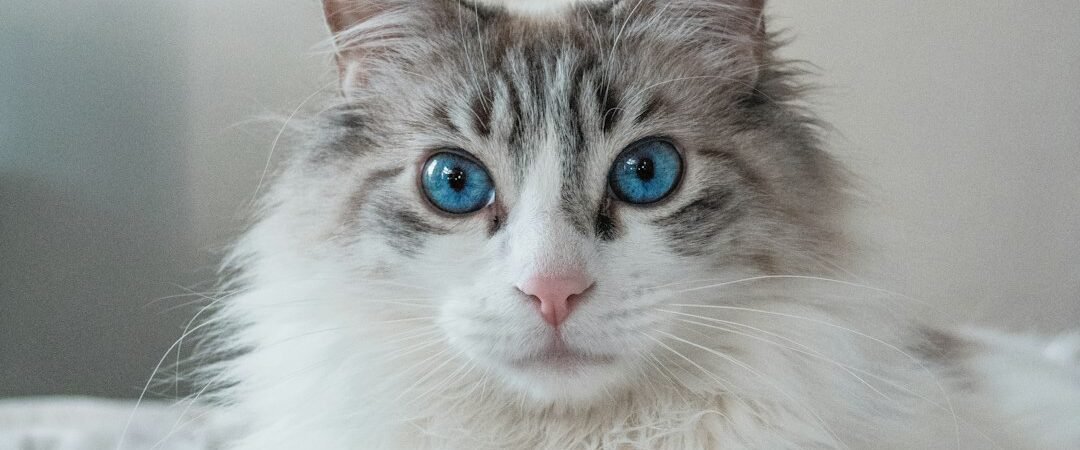
Siberian vs Ragdoll Cat: the biggest differences are activity level, coat density, coat-care routines, and social style. Siberians are often athletic, curious climbers with a dense seasonal coat, while Ragdolls are usually people-oriented companions with blue eyes and a pointed coat pattern. Both need daily enrichment, routine veterinary care, and an individual temperament assessment.
If you are weighing a ragdoll vs siberian cat, look beyond appearance. A Siberian may suit a home that can provide climbing, exploration, and energetic play, while a Ragdoll may suit people who want a companion that often enjoys staying close. These are broad tendencies, not guarantees about every cat.
This siberian cat vs ragdoll guide covers appearance, personality, coat care, shedding, allergies, veterinary screening, everyday costs, and breeder checks. Neither breed is automatically best for children, first-time owners, or people with allergies. The better match is the healthy individual cat whose needs fit your household.
Overview of Siberian and Ragdoll Cats
Siberian Cats are a natural breed associated with Russia and are known for their powerful build, intelligence, and seasonal coat. The Ragdoll Breed Profile describes a more recently developed American breed known for its large build, blue eyes, pointed coat, and affectionate temperament. These registry profiles are useful references for checking expected traits and understanding breed standards.
The Ragdoll breed was developed in the United States during the 1960s and is known for its large build, blue eyes, pointed coat, and affectionate temperament. Many Ragdolls relax noticeably when held, which helped inspire the breed name, although individual cats differ in how comfortable they are being carried. Their calm reputation should not replace a careful assessment of each cat’s behaviour.
Physical Differences
Siberian cats are large, typically weighing between 10–20 lbs. They have a strong, muscular build, which makes them very agile and good at jumping and climbing. Their coat is thick and water-resistant, designed to protect them in cold climates. In a Siberian Cat vs Ragdoll comparison, remember that size and coat density can vary with age, sex, genetics, and season.
Siberian cats come in a wide range of colors and patterns, and TICA’s profile includes colourpoint among its Siberian breed descriptions. Accepted colors and patterns can vary by registry, so check the relevant breed standard rather than using coat color alone to identify a cat. Siberians generally have a rounded, powerful build, a full tail, and eyes whose color can vary.
Adult Ragdolls are large, weighing around 12–20 lbs, with a long, relaxed body. They have a semi-long, silky coat that is less thick than the Siberian’s.
Ragdolls are known for their pointed coloration, with darker colour on the face, ears, legs, and tail and a lighter body. Traditional Ragdolls have blue eyes. Common colours include Seal Point Ragdoll Cats, Blue Point Ragdoll Cats, Chocolate Ragdoll Cats, and Lilac Ragdoll Cats. Their build is substantial, with a long body and a semi-long coat.
Differences in Temperament & Personality: Siberians vs Ragdolls
The personalities of Siberian and Ragdoll cats are quite different, which makes each breed suitable for different types of households.
Siberian Cats:
Siberians are known for their adventurous, curious, and playful nature. They are highly intelligent and enjoy interactive play, climbing, and exploring. Their strong hind legs make them excellent jumpers, and they love being up high, whether it’s on a cat tree or a shelf.
Siberians are affectionate but maintain a degree of independence, which makes them suitable for owners who may not always be home. They are also known for their dog-like loyalty and may follow their owners around the house. Siberians can adapt well to new environments and are usually tolerant of other pets
Ragdoll Cats:
Ragdolls are often described as “puppy-like” because of their friendly, gentle, and easygoing nature. They are extremely affectionate and love being around their human companions. Ragdolls enjoy being picked up and cuddled, and they are known for going limp when held, which is how they got their name. They thrive on attention and are known to follow their owners from room to room, seeking companionship.
Unlike Siberians, Ragdolls are less independent and prefer a calm, quiet environment. They are great with children and other pets. Their docile nature means they are unlikely to become aggressive, even in stressful situations.
Grooming and Care Requirements
Ragdoll Cats:
Ragdolls have a semi-long, silky coat that is less prone to matting compared to a Siberian coat. However, they still benefit from regular grooming, about once or twice a week, to prevent tangles and keep their fur looking its best. Ragdolls also require routine nail trimming and dental care to ensure their overall health.
Unlike Siberians, Ragdolls are less likely to enjoy water, so bathing should only be done when necessary.
Siberian Cats:
Siberians have a thick, triple-layered coat that requires regular grooming to prevent tangles and matting. During shedding seasons in the spring and fall, they need more frequent brushing, ideally 2-3 times a week, to manage the increased shedding.
Their coat is water-resistant, which helps reduce matting, but it also means they need a quality brush to reach the undercoat. Siberians are generally good at grooming themselves, but regular maintenance from their owners will help keep their coats healthy.
Activity Level and Exercise Needs
Siberian Cats:
Siberians are energetic and athletic cats that need plenty of physical activity to stay happy and healthy. They love to climb, jump, and explore their environment, so providing them with a cat tree or shelves is a great way to keep them entertained. Interactive toys, such as feather wands or puzzle feeders, can also help stimulate their intelligence and satisfy their natural hunting instincts. Siberians are known for their love of water, so don’t be surprised if they try to join you in the shower or play with a dripping faucet.
Ragdoll Cats:
Ragdolls are less active compared to Siberians, but they still need regular playtime to maintain a healthy weight and prevent boredom. They enjoy gentle play, such as chasing a feather wand or batting at a toy mouse. Ragdolls are more likely to enjoy lounging around the house, but they should still be encouraged to engage in interactive play to keep them physically and mentally stimulated.
Pros and Cons: Ragdoll vs Siberian Cat
Siberian Cats:
- Pros: Playful, intelligent, often a good fit for active households, and physically well suited to climbing and exploration. Some Siberians may produce different levels of the Fel d 1 allergen, but this does not guarantee an allergy-safe cat.
- Cons: Requires regular grooming, can be independent, higher cost, may need more space for climbing and exploring.
Ragdoll Cats:
- Pros: Affectionate, gentle, easygoing, great with children and other pets, less grooming required compared to Siberians.
- Cons: Needs regular attention and companionship, may be less independent, and still requires routine veterinary care. Ask about hypertrophic cardiomyopathy (HCM) and relevant family health history rather than assuming every Ragdoll has an inherited condition.
Which Breed is Perfect For You?
Both Siberian and Ragdoll cats make wonderful companions, but they have distinct characteristics that cater to different types of owners.
If you want an active, adventurous cat that enjoys exploring and can adapt to different environments, the Siberian might be the perfect choice. On the other hand, if you’re looking for a loving, gentle, and relaxed feline friend who thrives on companionship, the Ragdoll is an excellent option. Consider your lifestyle, activity level, and the kind of companionship you’re seeking when choosing between these two incredible breeds.
Choosing between these breeds comes down to your household, grooming routine, and the personality of the individual cat. Meet the cat where possible, ask for veterinary records, and budget for lifelong care before making a decision.
Siberian vs Ragdoll Cat: At a Glance
The main difference in the Siberian vs Ragdoll Cat comparison is often activity and coat care. Siberians tend to be athletic, curious climbers with a dense seasonal coat, while Ragdolls are typically people-oriented cats with blue eyes and a pointed coat pattern. Your choice should also account for the individual cat’s confidence, grooming tolerance, and play needs. A Siberian Cat vs Ragdoll comparison is most useful when it helps you plan the right care routine, not when it tries to predict every cat’s behaviour. Neither breed description guarantees how a particular cat will behave.
| Feature | Siberian | Ragdoll |
|---|---|---|
| Build | Strong, rounded, muscular body | Large, long-bodied, substantial build |
| Coat | Dense triple coat with seasonal changes | Semi-long, silky coat with some undercoat |
| Colour and pattern | Many colours and patterns, including colourpoint in some registries | Traditional Ragdolls are pointed and have blue eyes |
| Activity | Often energetic, agile, and keen to climb | Often calmer, but still needs regular play |
| Social style | Affectionate and playful, often curious and independent | Often highly people-oriented and relaxed |
| Grooming | Comb several times a week; increase during seasonal shedding | Weekly combing is a useful baseline; check for tangles more often as needed |
| Health conversations | Discuss heart screening, including HCM, with the breeder and vet | Ask about HCM family history and appropriate genetic or veterinary screening |
These are broad breed tendencies. For authoritative breed descriptions, read the TICA Siberian Breed Profile and the TICA Ragdoll Breed Profile.
Grooming, Shedding, and Allergies
Which Breed Needs More Grooming?
Siberians have a dense coat that changes with the seasons. Comb through the coat a few times each week and check behind the ears, under the legs, around the ruff, and near the hindquarters for knots. During heavier shedding, more frequent sessions may be needed. Ragdolls also need combing, especially in friction areas, even though their coat may be easier to manage for some owners. In a ragdoll vs siberian cat comparison, the grooming routine you can maintain consistently matters more than assuming either coat is maintenance-free.
Are Siberian Cats Hypoallergenic?
No cat breed is reliably hypoallergenic. Some Siberians may produce different amounts of the Fel d 1 allergen, but levels vary between individual cats and there is no guarantee that a Siberian will not trigger symptoms. If you have allergies, spend time with the specific cat before adoption and consult a healthcare professional about your symptoms. Do not choose a breed based on a promise that it is allergy-free.
Health and Responsible Breeder Checklist
Neither Siberians nor Ragdolls should be assumed to be free of inherited conditions. Hypertrophic cardiomyopathy (HCM) is a heart condition that breeders and owners should discuss for both breeds. Ask about the parents’ health history, any recommended screening, and what a test can or cannot tell you. A genetic test for a known variant does not rule out every cause of heart disease.
What Should You Ask Before Buying a Kitten?
- Can I review the kitten’s veterinary records, vaccination status, and parasite prevention?
- What screening has been completed for the parents, and can I see the actual results?
- Can I meet the kitten with its mother and see where the cats are raised?
- How has the kitten been socialised with people, household sounds, and other animals?
- What diet, grooming routine, and transition support do you recommend?
- Will you provide written records and remain available for questions after adoption?
Responsible breeders welcome reasonable questions and do not pressure buyers to pay immediately. You can also consider rescue organisations that can explain a cat’s known temperament and medical history. For more Ragdoll-specific information, read our Ragdoll Cat Lifespan Guide and Ragdoll Cats and Allergies Guide.
Which Breed Fits Your Lifestyle?
A Siberian May Suit You If…
- You enjoy interactive play and can provide climbing structures and daily enrichment.
- You can keep up with regular coat combing, including heavier seasonal shedding.
- You want an affectionate cat that may be curious, athletic, and keen to explore.
A Ragdoll May Suit You If…
- You want a companion that often enjoys being near people.
- You prefer a calmer general activity style, while still providing daily play and exercise.
- You can provide company, indoor enrichment, regular grooming, and routine veterinary care.
Neither breed should be left without appropriate attention, enrichment, or care. A cat’s age, health, early experiences, and individual personality can matter as much as its breed label. For the ragdoll cat vs siberian cat decision, compare your available time, living space, grooming routine, and expected veterinary budget before choosing.
Siberian vs Ragdoll Cats: Lifespan, Daily Care, and Long-Term Costs
When considering a Siberian vs Ragdoll Cat, think about the commitment over the cat’s entire life, not only the kitten stage. The ragdoll cat vs siberian cat choice also affects your routine: grooming time, enrichment, food, litter, and preventive veterinary care should fit your schedule and budget.
How Long Do Siberian and Ragdoll Cats Live?
Life expectancy varies with genetics, overall health, indoor safety, nutrition, and access to veterinary care. TICA lists an average life expectancy of 11–18+ years for Siberians, while its Ragdoll profile notes that many Ragdolls reach their mid- to high teens. These are reference ranges, not promises for an individual cat. See our Ragdoll Cat Lifespan Guide for more about long-term care.
What Should You Budget for Each Breed?
Purchase or adoption fees depend on location, breeder practices, pedigree, age, and what veterinary care is included. Rather than relying on a single advertised kitten price, compare the written contract and plan for recurring costs over many years.
Recurring Costs to Include in Your Plan
- Food and fresh water: choose a complete diet appropriate for the cat’s age and health, and ask your veterinarian about portions.
- Litter and home supplies: include litter, scratching surfaces, carriers, toys, and replacement of worn items.
- Preventive and unexpected veterinary care: budget for routine examinations, vaccinations as advised, dental care, parasite prevention, and unexpected illness or injury.
- Grooming tools and time: budget for a suitable comb or brush and extra coat care during heavier shedding.
- Enrichment: provide climbing structures and puzzle or chase toys for an active Siberian, and daily interactive play and safe resting places for a Ragdoll.
Both breeds can be expensive over a lifetime, and individual veterinary needs can outweigh any difference in grooming supplies. If you are still comparing siberian vs ragdoll cats, write down the care time and monthly costs you can realistically manage before contacting a breeder or rescue organisation. A useful siberian vs ragdoll cats plan accounts for routine expenses and a reserve for unexpected treatment rather than the initial fee alone.
Siberian vs Ragdoll Cat: A Final Decision Checklist
A practical Siberian vs Ragdoll Cat decision comes down to the life you can offer, not which breed wins on paper. Before committing, use these checks to compare the real cats available to you.
- Daily interaction: Decide how much time you can give to play, companionship, and enrichment.
- Coat care: Be ready to comb a Siberian’s dense seasonal coat more often during shedding, or maintain a regular grooming routine for a Ragdoll.
- Home environment: Provide climbing and exploration opportunities, scratching surfaces, safe resting places, and gradual introductions if other pets live with you.
- Health and allergy needs: Discuss screening and family health history with a veterinarian, and do not rely on a breed label as a guarantee about allergies.
- Lifetime budget: Plan for food, litter, routine veterinary appointments, preventive care, grooming supplies, and unexpected treatment.
FAQs (Because People Keep Asking)
1. Which cat is more affectionate, a Siberian or a Ragdoll?
Ragdolls are often described as especially people-oriented, while Siberians can be affectionate and playful but may show more independent curiosity. Individual temperament varies, so meet the cat rather than relying only on a breed stereotype.
2. Do Siberian cats shed more than Ragdolls?
Siberians have a dense coat and can shed heavily during seasonal coat changes. Ragdolls also shed. The amount depends on the individual cat, season, health, and coat, so regular grooming is needed for both.
3. Are Siberian cats hypoallergenic compared with Ragdolls?
No breed is guaranteed to be hypoallergenic. Siberians may produce varying levels of certain allergens, but this varies by cat and does not make the breed allergy-safe for everyone.
4. Which is bigger, a Siberian or a Ragdoll?
Both are substantial, slow-maturing breeds, and adult size varies with sex, genetics, and body condition. Ragdolls are known for their long, heavy build, while Siberians have a powerful, rounded body. Compare healthy adult individuals rather than relying on a single weight figure.
5. Which breed is easier to groom?
Some owners find a Ragdoll’s silky coat easier to manage, while a Siberian’s dense seasonal coat may require more frequent combing. Both need regular checks for tangles and a grooming routine that suits the individual cat.
6. Are Siberian cats more active than Ragdolls?
Siberians are often athletic climbers and enthusiastic explorers. Ragdolls are commonly more relaxed, but they still need interactive play, scratching surfaces, and opportunities to move and explore.
7. Can a Siberian and a Ragdoll live with children or other pets?
Either breed may fit a family when introductions are gradual and children learn gentle handling. Success depends on the individual cat’s temperament, socialisation, safe retreat spaces, and supervision rather than breed alone.
8. Can a Siberian and a Ragdoll have kittens together?
A Siberian-Ragdoll cross is biologically possible, but it is not the same as a recognised purebred Siberian or Ragdoll. Coat, colour, size, temperament, and health cannot be guaranteed. Ask for accurate parentage and veterinary records if considering a mixed-breed cat.
9. Which breed is better for first-time cat owners?
Either can be suitable for a prepared first-time owner. Consider how much time you can give to grooming, play, companionship, and veterinary care. An adult rescue cat with a known temperament may also be a good match.
10. Which Breed Lives Longer, a Siberian or a Ragdoll?
Both breeds can live into their teens, but a breed label cannot predict an individual cat’s lifespan. Genetics, preventative veterinary care, weight management, indoor safety, and prompt treatment all matter. Treat published life expectancy ranges as estimates rather than guarantees.
11. Can Siberian and Ragdoll Cats Live Together?
They may live together successfully when their individual personalities fit and introductions happen gradually. Give each cat separate food and water stations, litter trays, resting places, and safe escape routes. Monitor their interactions and allow them time to adjust rather than assuming the breeds will automatically get along.
12. Which Breed Costs Less to Own?
There is no universal cheaper choice. Initial adoption or breeder fees, food, preventive care, grooming tools, insurance, and unexpected veterinary treatment affect lifetime costs. Compare records and likely ongoing expenses rather than choosing on the kitten price alone.
Editorial Note
This breed comparison is for general educational purposes and is not a substitute for individual veterinary advice. Breed profiles describe common characteristics, but they cannot predict every cat’s temperament, health, allergy impact, or long-term needs. For medical concerns, ask a qualified veterinarian. Before bringing a kitten home, review records and screening results with the breeder and your veterinarian, and consider whether an adult rescue cat may be a good fit for your household.
Trusted Sources
I prioritise breed registries and veterinary or allergy organisations for claims about breed standards, coat patterns, lifespan, health, and allergy risks. These sources can also help you check details discussed in our Ragdoll Cat Lifespan Guide and Ragdoll Cats and Allergies Guide.
- The International Cat Association: Siberian Breed Profile. A primary reference for Siberian coat changes, recognised colours and patterns, general temperament, grooming, and life expectancy. TICA includes pointed patterns in its Siberian profile, so coat pattern alone should not be used to identify a cat’s breed.
- The International Cat Association: Ragdoll Breed Profile. Used to check the Ragdoll’s pointed coat, blue eyes, typical size range, grooming guidance, and general behaviour. For examples of Ragdoll colour and pattern descriptions on our site, see Seal Point Ragdoll Cats.
- Cornell Feline Health Center: Hypertrophic Cardiomyopathy. A veterinary reference for understanding HCM, a heart condition reported in multiple cat breeds, including Siberians and Ragdolls. It supports asking about health history and appropriate veterinary assessment rather than assuming that every cat will develop the condition.
- American College of Allergy, Asthma and Immunology: Pet Allergies. A clinical allergy resource explaining that cats produce allergens and that no breed can be guaranteed to be hypoallergenic. It is particularly relevant to the allergy section of our Ragdoll Cats and Allergies Guide.
These references support general breed and health information. They do not replace a veterinary examination, and a registry’s description of a breed is not a guarantee about any individual cat.
How This Guide Is Researched and Kept Current
I build this comparison by checking recognised cat-registry profiles for breed traits, coat patterns, grooming guidance, and general life expectancy. For health-related statements, I look to veterinary sources such as Cornell University College of Veterinary Medicine. For allergy claims, I use guidance from allergy specialists rather than breeder marketing or promises that a breed is allergy-free.
I compare sources, check whether a statement is a typical tendency or a guarantee, and avoid treating every Siberian or Ragdoll as if it will behave the same way. Recommendations in this guide are intended to help readers decide what to ask a breeder, rescue organisation, or veterinarian. This article was reviewed on October 21, 2026, and should be checked again when trusted source guidance or breed information changes. If you notice a factual issue, please contact me through the Contact Us Page so it can be reviewed.
About the Author
Abdul Khader is a Ragdoll enthusiast, researcher, and writer at Ragdoll Care World. He writes about Ragdoll and related cat breeds, including temperament, coat patterns, grooming, health considerations, nutrition, and everyday care. His aim is to help readers understand the differences between breeds and make informed decisions before choosing a companion.
His approach is practical and source-led. He compares recognised breed information with veterinary guidance, separates common breed tendencies from guarantees, and encourages readers to verify health records and seek professional advice when needed. Read more on the About Us Page or use the Contact Us Page to suggest a correction or ask a question.
Sources and Further Reading
The following registry, genetics and veterinary resources support the breed, care and health information discussed in this guide. Check the original source for current guidance, and consult a veterinarian about the needs of an individual cat.
- Siberian Cats
- Ragdoll Breed Profile
- Cornell Feline Health Center: Hypertrophic Cardiomyopathy
- American College of Allergy, Asthma and Immunology: Pet Allergies
What We Have Covered
This guide brings together the main points to consider when researching Siberian vs Ragdoll Cat: Temperament, Grooming & Care. It covers:
- Overview of Siberian and Ragdoll Cats
- Physical Differences
- Differences in Temperament & Personality: Siberians vs Ragdolls
- Grooming and Care Requirements
- Activity Level and Exercise Needs
- Pros and Cons: Ragdoll vs Siberian Cat
- Which Breed is Perfect For You?
- Siberian vs Ragdoll Cat: At a Glance
Use the breed and care information as a starting point, then check relevant records and seek advice from a qualified veterinarian or the appropriate breed registry when making decisions about an individual cat.