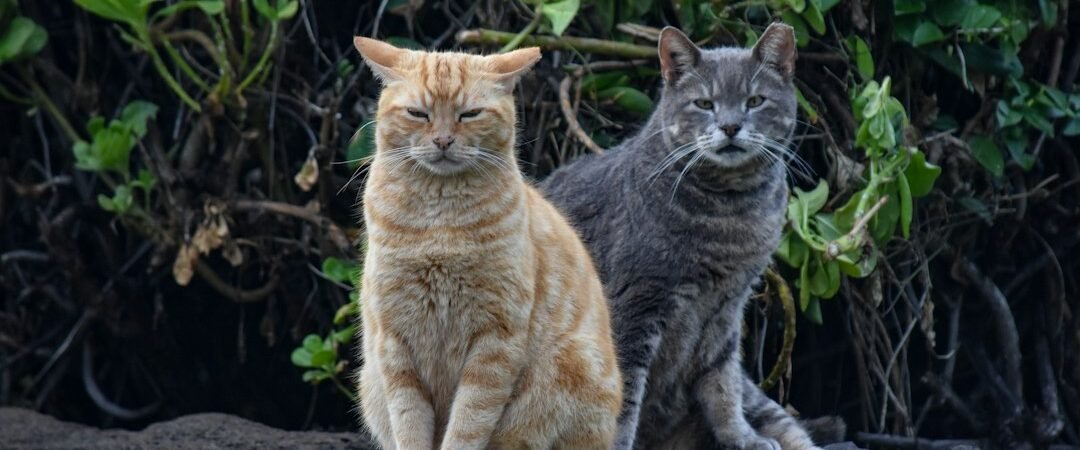
Choosing between a Norwegian Forest Cat vs Ragdoll comes down to more than coat colour or size. Both are large, semi-longhaired cats, but the Norwegian Forest Cat has a dense, weather-resistant double coat and often enjoys climbing, while the Ragdoll is a blue-eyed, pointed breed commonly described as sociable and people-focused. Individual cats still vary, so treat breed tendencies as a guide rather than a guarantee.
This comparison covers appearance, grooming, activity, health screening, family fit, indoor living, and ongoing costs so you can decide which cat’s needs suit your home. The advice draws on published breed profiles and veterinary references, not a claim that every cat will behave in a particular way.
Reviewed and updated on October 21, 2026.
Norwegian Forest Cat vs Ragdoll at a Glance
| Feature | Norwegian Forest Cat | Ragdoll |
|---|---|---|
| Origin | Norway; a natural breed adapted to a cold climate | United States; developed in California in the 1960s |
| Typical adult weight | Females are often around 8 to 12 lb; males around 12 to 18 lb | Females are often around 10 to 15 lb; males around 15 to 20 lb |
| Maturity | Slow-maturing and may take around five years to reach full growth | Slow-maturing and may take several years to reach full size |
| Coat | Dense double coat with a woolly undercoat and longer guard hairs | Semi-long, silky coat with some undercoat |
| Typical look | Triangular head, sturdy build, tufted ears may be present, bushy tail | Broad, soft-featured head, blue eyes, pointed coat pattern |
| Activity | Often enjoys climbing, exploring, and elevated spaces | Playful and often people-oriented, with individual variation |
| Grooming | Regular combing, with extra work during seasonal shedding | Weekly combing is a useful baseline, more if tangles develop |
| Health checks | Ask about HCM, PK deficiency, and GSD IV screening as relevant | Ask about HCM screening and family health history |
| Often suits | Homes that can provide climbing space and respect independence | Homes that enjoy regular interaction and gentle companionship |
A quick way to choose: a Norwegian Forest Cat may suit you if you enjoy an active climber with a substantial seasonal coat. A Ragdoll may suit you if you want a sociable companion and can make time for daily interaction. Neither breed is automatically better with children or other pets, and neither is a low-effort pet simply because of its reputation.

Ragdoll and Norwegian Forest Cat Origin and History
The Norwegian Forest Cat, often called a “Wegie,” developed in Norway and is adapted to colder weather through its dense, water-resistant coat. The breed appears in Norwegian folklore, including stories about forest-dwelling cats, but folklore should not be treated as proof of a specific domestic breeding history. TICA describes the breed as intelligent, resourceful, playful, and slow to reach full maturity.
The Ragdoll is a modern breed developed in California in the 1960s. It is recognised for blue eyes and a pointed coat pattern, with darker colour on the face, ears, legs and tail. To learn more about the range of recognised Ragdoll colours and patterns, see our Ragdoll Cat Colors and Patterns Guide. The name reflects the breed’s reputation for relaxing when handled, but not every Ragdoll enjoys being picked up. Let the individual cat’s body language guide handling.
Physical Differences Between Norwegian Forest Cats and Ragdolls
Head Shape, Eyes, and Body
Both breeds are substantial, long-bodied cats, so size alone may not help you tell them apart. Norwegian Forest Cats tend to have a triangular head, a straight profile, strong hind legs, and a full tail. Ragdolls have softer contours, blue eyes, and a pointed pattern with darker colour on the face, ears, legs, and tail. Build and personality vary between individuals, so use several traits together rather than relying on a single feature.
Coat Type and Grooming Differences
The Norwegian Forest Cat has a dense double coat: a woolly undercoat under longer guard hairs. It often needs extra combing when the winter coat sheds. A Ragdoll’s coat is semi-long and silky with some undercoat. Weekly combing is a reasonable starting point for either breed, adjusted for the cat’s coat, shedding, and tangles. Ragdolls are not maintenance-free, and Norwegian Forest Cats do not always need intensive grooming outside shedding periods.
Eye Colour and Coat Patterns
Ragdolls are pointed and have blue eyes under the breed standard. Norwegian Forest Cats come in a much broader range of colours and patterns, with eye colours that vary. This is one of the clearest visual differences between the breeds. For official descriptions, compare the TICA Norwegian Forest Cat Breed Profile with the TICA Ragdoll Breed Profile.
How to Tell the Breeds Apart in Photos
Start with several features rather than a single photograph. A Norwegian Forest Cat typically has a triangular head, straight nose profile, strong hindquarters and a double coat that forms a ruff and fuller breeches. A Ragdoll has blue eyes and a pointed coat pattern, with colour concentrated on the face, ears, legs and tail. Grooming, age, lighting and camera angle can make coats look more similar than they are.
- Check eye colour and coat pattern first, especially on an adult cat with developed colouring.
- Look at head shape and profile, but avoid deciding from face shape alone.
- Compare the coat texture and seasonal undercoat, not only the apparent length of the fur.
- If pedigree matters, request registration and parentage records. A photo can suggest a breed, but it cannot confirm pedigree.
Norwegian Forest Cat vs Ragdoll Temperament and Personality
In broad terms, Norwegian Forest Cats are often described as curious, capable climbers who like to choose when to interact, while Ragdolls are often more people-focused and easy-going. These are tendencies from breed descriptions, not guarantees. Early socialisation, health, age, and each cat’s experiences can matter as much as the breed.
Many Ragdolls enjoy staying close to their people and may seek petting or relaxed company. Still, no cat should be described as unlikely to scratch or bite in every situation. Cats can scratch or bite when frightened, in pain, overstimulated, or handled against their wishes. Give children supervision and teach them to let the cat approach and leave freely.
Norwegian Forest Cats often enjoy climbing, exploring, and watching their surroundings from high places. A tall, stable cat tree, secure shelves, scratching posts, and interactive play help meet these needs indoors. They may be content to relax near family rather than on a lap, but individuals differ in how much company they seek.
| Temperament Trait | Norwegian Forest Cat | Ragdoll |
|---|---|---|
| Typical activity | Curious and often keen to climb | Playful, often enjoys interactive games |
| Social style | Affectionate but may prefer nearby company over being held | Often seeks closer human interaction |
| Handling | Depends on the individual cat | Depends on the individual cat |
| Best approach | Provide climbing options and choice | Provide company, play and choice |
Ragdolls and Norwegian Forest Cats Care and Grooming
Both breeds have semi-long coats that benefit from regular combing, but their coat structure is different. Norwegian Forest Cats have a dense double coat that changes seasonally, while Ragdolls have a silky semi-long coat with some undercoat. Neither coat should be left unchecked for mats or skin problems.
Build a calm grooming routine before tangles become difficult to remove. Check behind the ears, under the front legs, around the hindquarters and along the belly. Use a suitable metal comb, work gently, and increase combing when loose hair or knots increase. Never cut tight mats out with scissors close to the skin; ask a vet or experienced groomer for help.
Norwegian Forest Cats have a woolly undercoat and longer guard hairs. Weekly combing may be enough for some cats outside shedding periods, but extra sessions are often useful when the winter coat is being shed. The actual routine depends on coat density, age, season, and whether tangles develop.
Ragdolls generally need regular combing rather than automatic daily grooming. Begin with weekly combing and check for knots, especially under the legs and around the armpits. During shedding seasons or for a coat that tangles quickly, comb more often. Let the condition of the coat guide the schedule.
Routine bathing is not necessary for every healthy cat. Bathe only when needed, use products made for cats, rinse thoroughly, and stop if the cat becomes very distressed. If the coat is heavily soiled or matted, ask a veterinarian or qualified groomer for advice.
A metal comb with appropriately spaced teeth is a useful starting tool. A slicker brush may help with loose coat when used gently, but avoid scraping the skin. Reward calm behaviour with treats and keep sessions short at first.
Health and Lifespan
Both breeds can live well into their teens, but no lifespan range can predict how long an individual cat will live. Genetics, preventive care, body condition, environment and access to veterinary treatment all matter. Before adopting or buying either breed, ask about health screening and family history, then maintain routine veterinary care throughout the cat’s life.
Health Issues
Hypertrophic cardiomyopathy (HCM), a disease that thickens the heart muscle, is a health concern in both breeds. Ragdolls have a known HCM-associated genetic variant for which testing is available. For Norwegian Forest Cats, TICA notes that there is no specific DNA test for HCM in the breed and that breeder cardiac screening by echocardiography is important. Norwegian Forest Cats may also be screened for glycogen storage disease type IV (GSD IV) and pyruvate kinase deficiency (PK deficiency) where relevant. Ask breeders for written results and discuss what the results mean with your veterinarian. See the UC Davis Ragdoll HCM Test Information and TICA Norwegian Forest Breed Guidance.
Which Health Records Should You Request?
Ask for the Ragdoll parent’s relevant HCM DNA test results and the Norwegian Forest Cat parent’s cardiac screening records, especially echocardiography where applicable. Ask whether PK deficiency and GSD IV testing is relevant to the Norwegian Forest Cat’s family line. Request copies of veterinary records and the kitten’s vaccination and parasite-control history. A test result reduces uncertainty but is not a guarantee of lifetime health.
Grooming for Health
Grooming is also an opportunity to notice skin irritation, lumps, flea dirt, ear debris or areas that are painful to touch. It does not prevent inherited disease, so use grooming alongside routine veterinary checks. If your cat resists brushing suddenly or has a new coat problem, ask a veterinarian whether pain or a skin condition may be involved.
| Health Topic | Norwegian Forest Cat | Ragdoll |
|---|---|---|
| HCM | Ask about family history and breeder cardiac screening. TICA notes that an HCM-specific DNA test is not available for this breed. | Ask for documented HCM DNA test results for breeding cats and discuss family history with a veterinarian. |
| Other genetic screening | Ask whether PK deficiency and GSD IV screening are relevant and documented. | Ask about screening relevant to the parents and the breeder’s health programme. |
| Everyday prevention | Routine veterinary checks, dental care, body-condition monitoring and parasite prevention as advised. | Routine veterinary checks, dental care, body-condition monitoring and parasite prevention as advised. |
Compatibility with Families and Other Pets
Both breeds may fit into homes with children or other pets, but compatibility depends on the individual cat, the other animals, and how introductions are managed. Breed descriptions are a starting point, not a promise that every cat will be comfortable in every household.
Norwegian Forest Cats can be affectionate while remaining independent. They often benefit from active play, vertical space, and room to explore safely. In a busy home, provide quiet hiding places and predictable interaction so the cat can withdraw when it wants to rest.
Ragdolls are often people-oriented and may enjoy staying near family members, but a gentle reputation is not a substitute for supervision. Teach children to approach calmly, avoid chasing or carrying the cat without support, and stop interacting when the cat moves away or shows stress.
Either breed may live successfully with children, cats or dogs when introductions are gradual and each animal has separate food, water, litter and resting areas. Supervise early contact, use barriers when useful, and never force the animals to interact. A cat’s prior experience and temperament matter more than a general breed label.
| Household Factor | Norwegian Forest Cat | Ragdoll |
|---|---|---|
| With children | Can suit a considerate family with supervision and a retreat space | Can suit a considerate family with supervision and a retreat space |
| With other pets | Often possible with a slow introduction and enough separate resources | Often possible with a slow introduction and enough separate resources |
| Best preparation | Plan for climbing, exploration and quiet rest | Plan for social interaction, play and quiet rest |
Indoor Living and Apartment Suitability
Either breed can live indoors when the home provides enough exercise, enrichment, safe resting areas, and regular interaction. The Norwegian Forest Cat often benefits from tall, sturdy climbing furniture and opportunities to explore vertically. A Ragdoll may appreciate being near people, but it still needs play, scratching surfaces and places to retreat. An apartment is not automatically too small or suitable; layout, environmental enrichment and the individual cat’s activity level matter more than the label alone.
Secure windows and balconies, keep toxic plants and household hazards out of reach, and provide separate food, water, litter and sleeping areas if you have more than one pet. If your household is away for long hours, plan interaction before and after work and arrange care for extended absences. Neither breed should be expected to entertain itself without attention or enrichment.
Ragdoll vs Norwegian Forest Cats Training and Intelligence
Both breeds can learn through patient, reward-based training. There is no reliable basis for claiming that every Norwegian Forest Cat learns faster than every Ragdoll. A cat’s motivation, prior experiences, confidence, and the reward used all affect training. Keep sessions short, calm, and positive.
You can teach either breed to come when called, enter a carrier, use a target, or perform simple tricks using treats, praise, and repetition. Never punish a cat for not responding. For Norwegian Forest Cats, channel climbing and curiosity into safe games; for Ragdolls, interactive play can also strengthen a bond with their people.
Start with short training sessions, often just a few minutes, and stop before your cat loses interest. Use small treats, praise, or a favourite toy to reward the behaviour you want to encourage.
Price and Availability
Before bringing either breed home, consider the complete cost of ownership, not just the kitten fee. Price varies by country, region, breeder, registration, parent health screening, age, and what veterinary care has already been provided. Since the article may be read in different markets, fixed US-dollar estimates are not a dependable guide to local prices.
Ask the breeder for a written breakdown of the fee and the documents included. Be cautious of sellers who use “rare” colouring to pressure you into paying quickly, will not show health records, or offer to hand over a kitten without a clear care history. Reputable rescues and shelters may also have adult cats or kittens available, depending on location.
When assessing a breeder, ask for registration and parentage records, the parents’ health-screening results, the kitten’s veterinary and vaccination records, and a written contract with clear return or support terms. Registration alone does not guarantee health or ethical breeding, so ask questions and verify documentation. See TICA’s Official Website for breed information and registry resources.
Consider shelters and breed-specific rescues as well as breeders. An adult cat may be a good match because its established personality, grooming tolerance, and comfort with children or other animals can be easier to assess than a young kitten’s. Ask about medical history and any known behaviour needs before adoption.
Ongoing Costs for Both Breeds
Rather than using a single advertised kitten price as a comparison, calculate the likely total cost of care in your location. Ask what the breeder fee includes, compare veterinary expenses locally, and budget for ordinary care plus emergencies.
| Cost Area | What to Check |
|---|---|
| Initial fee | Compare local quotes, registration and parentage documents, and what veterinary care is included. |
| Routine care | Food, litter, vaccinations and parasite prevention as advised, veterinary checks, and dental care. |
| Coat maintenance | Budget for combs, brushes, replacement tools and possible professional help for severe mats. |
| Home setup | Carriers, scratching posts, climbing structures, beds, litter trays and safe window or balcony protection. |
| Unexpected care | Keep funds for emergencies and ask your veterinarian about insurance options available locally. |
Which Breed Is Right for You?
Use your daily routine and the individual cat’s needs to make the final choice. Breed descriptions can guide your questions, but a cat’s behaviour during a meeting, its known history, and the breeder or rescue’s transparency are just as important.
- Consider a Norwegian Forest Cat if you can provide tall climbing structures, activity, and a home that lets the cat explore safely. Be ready for heavier seasonal shedding from its dense undercoat.
- Consider a Ragdoll if you want a companion that often enjoys close human company and you can commit to regular interaction and coat checks. Do not expect every Ragdoll to be a lap cat.
- For either breed, plan for daily play, safe indoor spaces, routine veterinary care, a complete diet, and regular grooming.
- When choosing a kitten, ask for parent health information, relevant screening results, veterinary records, registration documents if claimed, and a written contract or adoption agreement.
If you are also curious about a cross between these two breeds, read our Ragdoll Norwegian Forest Cat Mix Guide. For long-term planning, our Ragdoll Cat Lifespan Guide offers more detail about lifespan estimates and ongoing care. Estimates are general and cannot predict an individual cat’s future.
Final Verdict: Norwegian Forest Cat vs Ragdoll
The better choice depends on the cat’s individual temperament and the kind of home you can provide. Norwegian Forest Cats often bring more climbing and independent exploration to daily life, while Ragdolls are often known for closer human companionship. Both need regular grooming, play, enrichment, preventive veterinary care, and a home where their boundaries are respected.
When comparing the Norwegian Forest Cat vs Ragdoll, do not choose based on appearance, a general breed stereotype, or a seller’s promise alone. Meet the cat if possible, review health and vaccination records, ask about parent screening, and choose the individual whose needs fit your household and budget.
FAQs (Because People Keep Asking)
What Are the Main Differences Between a Norwegian Forest Cat and a Ragdoll?
The Norwegian Forest Cat has a dense double coat, triangular head and strong climbing ability. The Ragdoll has blue eyes, a pointed coat pattern and is often more people-focused. Both are large, semi-longhaired cats with individual differences in size and temperament.
Which Breed Is More Affectionate?
Ragdolls are often described as people-oriented, while Norwegian Forest Cats may show affection while preferring to sit nearby rather than on a lap. There is no guarantee for an individual cat. Ask the breeder or rescue about its behaviour and meet the cat if possible.
Which Cat Needs More Grooming?
Both require regular combing. Norwegian Forest Cats often need extra grooming during seasonal shedding because of their dense undercoat. Ragdolls usually benefit from weekly combing, with more frequent sessions if the coat tangles. Adjust the routine to the cat rather than following a rigid schedule.
Which Breed Is Bigger?
Both breeds are large. Adult weight varies with sex, genetics, health and body condition, so there is no single measurement that will reliably distinguish every Norwegian Forest Cat from every Ragdoll. Ask a veterinarian to assess whether an individual cat’s body condition is healthy.
Are Norwegian Forest Cats and Ragdolls Good With Children?
Either may fit into a family home when children are taught to handle cats gently and respect when a cat moves away. Always supervise young children and provide high resting places or quiet rooms where the cat can retreat.
Can Either Breed Live With Other Pets?
Often, yes, but success depends on individual temperament and a gradual introduction. Use separate feeding areas, litter trays and resting spaces. Do not force cats and dogs to interact, and supervise early meetings until you are confident they are safe.
What Health Tests Should I Ask a Breeder About?
Ask about HCM screening and family history for both breeds. For Norwegian Forest Cats, ask whether PK deficiency and GSD IV screening are relevant and documented. A Ragdoll breeder should be able to explain available HCM DNA test results. Screening does not replace a veterinarian’s assessment.
Are Norwegian Forest Cats or Ragdolls Hypoallergenic?
No cat breed is guaranteed hypoallergenic. People with cat allergies may react to proteins found in saliva, skin flakes and other sources, not simply to coat length. If allergies are a concern, speak with an allergy professional before bringing a cat home.
How Long Do Norwegian Forest Cats and Ragdolls Live?
Both breeds can live into their teens, but lifespan depends on the individual cat’s genetics, preventive care, body condition and environment. Published lifespan ranges are estimates, not promises. Plan for a long-term commitment and regular veterinary care.
Are Norwegian Forest Cats Easier to Train Than Ragdolls?
There is no sound basis for saying one breed is always easier to train. Both can learn carrier skills, recall and simple tricks through patient, reward-based practice. Training success depends on the individual cat, motivation and consistency.
Which Breed Is Better for First-Time Cat Owners?
Either can suit a first-time owner who understands the grooming, enrichment and veterinary-care commitment. A Norwegian Forest Cat may need you to plan for climbing and seasonal coat changes; a Ragdoll may seek more day-to-day company. Ask about the individual cat’s behaviour, medical history and comfort with handling rather than choosing from breed stereotypes alone.
Can Norwegian Forest Cats and Ragdolls Live in Apartments?
Yes, either breed can adapt to an apartment if the home provides safe vertical space, scratching surfaces, daily play, resting places and reliable attention. Secure windows and balconies. A Norwegian Forest Cat may make more use of tall climbing areas, while a Ragdoll may choose to stay close to household members, but individual needs differ.
Editorial Note
This comparison describes common breed tendencies, not guarantees for an individual cat. It is designed to help readers ask better questions about temperament, coat maintenance, health screening and home fit. Health information here is general education and is not a substitute for veterinary diagnosis or individual medical advice.
Trusted Sources
The breed and health information was checked against registry breed profiles and veterinary resources:
- TICA Norwegian Forest Cat Breed Profile for appearance, temperament, coat care, maturity and health screening.
- Cat Fanciers’ Association Norwegian Forest Cat Profile for the breed’s triangular head, double coat, seasonal grooming and slow maturity.
- TICA Ragdoll Breed Profile for recognised colours, body characteristics, coat care and HCM-related breeder guidance.
- UC Davis Veterinary Genetics Laboratory: Ragdoll HCM Test for the available genetic test relevant to Ragdoll HCM.
- Cornell Feline Health Center: Hypertrophic Cardiomyopathy for veterinary background on HCM in cats.
How This Guide Is Researched and Kept Current
We compare recognised breed descriptions with veterinary guidance and distinguish standard breed traits from tendencies that vary among individual cats. Health screening advice is cross-checked with breed registry or veterinary genetics resources. This article was reviewed and updated on October 21, 2026. Screening options and veterinary recommendations can change, so readers should check current source information, ask breeders for copies of health results, and consult a veterinarian about the cat they are considering. If you notice an error, use our Contact Us Page.
About the Author
Abdul Khader is a Ragdoll enthusiast, researcher and writer who publishes cat-breed comparisons and care guides for Ragdoll Care World. His articles bring together published breed information, veterinary references and practical questions to consider before welcoming a cat into the home. He is not a veterinarian, and individual health concerns should be assessed by a qualified veterinary professional. Learn more on our About Us Page.
Sources and Further Reading
The following registry, genetics and veterinary resources support the breed, care and health information discussed in this guide. Check the original source for current guidance, and consult a veterinarian about the needs of an individual cat.
- TICA Norwegian Forest Cat Breed Profile
- TICA Ragdoll Breed Profile
- UC Davis Ragdoll HCM Test Information
- Cat Fanciers’ Association Norwegian Forest Cat Profile
- Cornell Feline Health Center: Hypertrophic Cardiomyopathy
What We Have Covered
This guide brings together the main points to consider when researching Norwegian Forest Cat vs Ragdoll: Size, Care & Temperament. It covers:
- Norwegian Forest Cat vs Ragdoll at a Glance
- Ragdoll and Norwegian Forest Cat Origin and History
- Physical Differences Between Norwegian Forest Cats and Ragdolls
- How to Tell the Breeds Apart in Photos
- Norwegian Forest Cat vs Ragdoll Temperament and Personality
- Ragdolls and Norwegian Forest Cats Care and Grooming
- Health and Lifespan
- Compatibility with Families and Other Pets
Use the breed and care information as a starting point, then check relevant records and seek advice from a qualified veterinarian or the appropriate breed registry when making decisions about an individual cat.