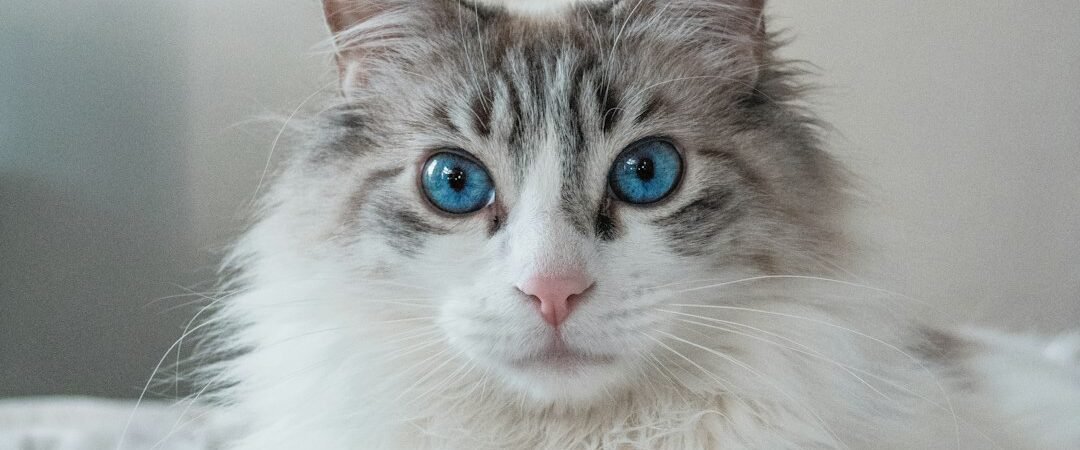
A Persian Ragdoll Cat Mix is a cross between a Persian and a Ragdoll. Because it is not a standardized pedigree breed, its appearance, coat, eye colour, size, and temperament can vary, even between littermates. Some cats inherit a rounder face and dense coat, while others have a longer muzzle or more of the Ragdoll parent’s build.
Do not assume every mix will have blue eyes, a very relaxed personality, or a particular coat pattern. Those traits depend on inheritance and the individual cat. Before adopting or buying one, focus on health records, breathing, grooming needs, socialisation, and whether you can provide suitable care throughout its life.
This guide explains likely physical traits, personality variation, grooming, nutrition, health screening, kitten costs, and responsible breeder questions. It also covers what a Ragdoll Persian Mix Cat may inherit and what no seller can reliably guarantee.
Reviewed and updated on October 21, 2026.
Persian Ragdoll Cat Mix at a Glance
This cross brings together Persian and Ragdoll ancestry, but it is not a separately standardized pedigree breed. Appearance, coat type, eye colour, size, activity level, and sociability can vary even among kittens from the same litter. Treat any size or lifespan estimate as a general guide, not a guarantee for an individual cat.
- Parent breeds: Persian and Ragdoll
- Coat: Often medium to long, but texture and density vary
- Color and pattern: May include solid, tabby, bicolor, or pointed patterns depending on inherited genes
- Temperament: May be affectionate and relaxed, more reserved, playful, or a combination
- Grooming: Regular combing, with frequency based on the actual coat and any tangles
- Best fit: A home ready for routine grooming, enrichment, and preventive veterinary care
What Might This Cross Look Like?
This cross may inherit a Persian’s rounder face and dense coat, a Ragdoll’s longer body and pointed colouring, or a blend that does not closely resemble either parent. Appearance alone cannot confirm ancestry or pedigree.
Coat Colors, Patterns, and Eye Color
Possible coat colors and patterns depend on the genes passed down by both parents. Some mixes may have colorpoint markings, while others may be solid, bicolor, or patterned in a different way. Blue eyes are not guaranteed just because one parent is a Ragdoll. Eye color and coat pattern depend on inheritance, not on the name given to the mix.
Face Shape and Coat Type
Some kittens inherit a shorter nose or flatter face from a Persian parent. If the face is very flat, watch for noisy or labored breathing, persistent eye discharge, and difficulty eating. These signs deserve veterinary assessment rather than being dismissed as normal for the cat’s appearance.
Persian Ragdoll Mix Personality and Family Life
Both parent breeds can be affectionate, but a cross does not guarantee a particular personality. A kitten may seek company and play often, prefer a quieter routine, or need more time to feel comfortable with visitors. Meet the individual cat and ask the caregiver how it responds to handling, noise, play, and other animals.
Are Persian Ragdoll Mix Cats Good With Children and Other Pets?
They may do well in a family home when introductions are gradual and interactions are gentle. Teach children not to chase, squeeze, or force a cat to be held. Give the cat a quiet retreat, high resting places, and a separate route to food, water, and litter. Introduce dogs and other cats slowly, using barriers at first when needed, and supervise early interactions.
How to Groom a Persian Ragdoll Mix
Grooming needs depend on the coat the cat actually inherits. A dense, easily tangled coat may need daily combing, while a less dense coat may need less frequent sessions. Start gently and check behind the ears, under the front legs, around the collar area, and near the hindquarters where knots can form.
- Use a suitable metal comb and work in short, comfortable sessions.
- Never pull hard at a mat or cut close to the skin with scissors. Ask a veterinarian or qualified groomer to remove tight mats safely.
- Check the eyes, ears, nails, skin, and coat as part of a regular care routine.
- Brush gradually from kittenhood, rewarding calm behavior with praise or treats.
- Bathe only when needed and use products intended for cats.
Health Issues and Screening to Discuss With a Veterinarian
A mixed-breed cat is not automatically free of inherited conditions. Health risks depend on its family history, physical traits, and genetics. Persian ancestry makes it sensible to ask about polycystic kidney disease (PKD), while Ragdoll ancestry makes the family’s history of hypertrophic cardiomyopathy (HCM) worth discussing. Neither condition can be diagnosed from appearance alone.
Polycystic Kidney Disease and Persian Ancestry
PKD is an inherited condition associated with fluid-filled kidney cysts and is known in Persian cats and some cats with Persian ancestry. Ask the breeder for relevant parent screening records and discuss appropriate testing with your veterinarian. See the UC Davis Veterinary Genetics Laboratory PKD1 Testing Page for test-specific information, and read our PKD in Ragdoll Cats Guide for related Ragdoll health context.
Heart Health and Ragdoll Ancestry
HCM is a disease of the heart muscle. Ask whether the Ragdoll parent has documented screening relevant to HCM and share the kitten’s family history with your veterinarian. A DNA result does not replace veterinary assessment, and not every form of HCM is ruled out by a single genetic test. The TICA Ragdoll Breed Profile discusses responsible breeding and HCM testing in Ragdolls.
Breathing, Eyes, Teeth, and Weight
If the cat has a very short muzzle, ask the veterinarian to assess breathing, eye comfort, and dental alignment. Keep an eye on body condition as well: a relaxed indoor cat still needs daily play and measured meals suited to its age and health.
Warning Signs That Need Veterinary Attention
Laboured or open-mouth breathing needs urgent veterinary attention. Persistent eye discharge, difficulty eating, reduced appetite, sudden lethargy, or a noticeable change in activity should also prompt a call to your veterinarian. Do not treat noisy breathing as a normal feature of a short face or wait for routine screening if the cat appears distressed.
Feeding, Exercise, and Indoor Enrichment
Choose a complete and balanced cat food appropriate for the cat’s life stage, and ask your veterinarian about portions based on body condition and activity. Keep fresh water available, maintain a clean litter tray, and provide daily opportunities to chase toys, explore, scratch, climb safely, and solve simple food puzzles. Do not assume a calm temperament means the cat needs no exercise.
How to Choose a Persian Ragdoll Mix Kitten Responsibly
Before paying a deposit, ask for clear information about both parents, the kitten’s age, veterinary records, vaccination and parasite treatment history, and any relevant genetic screening. A responsible breeder should welcome reasonable questions and let you see where the kittens are raised, in person or through a live video call. When discussing a Ragdoll Persian Mix Cat with a seller, ask for documents from both parents rather than relying on colour or personality promises.
- Ask for the parent cats’ breed and health records, including relevant PKD and HCM information.
- Request the kitten’s veterinary examination and vaccination records.
- Observe whether the kitten is alert, breathing comfortably, and able to move normally.
- Ask what food the kitten currently eats and how it has been socialized.
- Get a written agreement covering the sale, health disclosures, return arrangements, and support after adoption.
- Avoid sellers who pressure you to pay immediately, refuse basic records, or promise a guaranteed personality, eye color, or adult appearance.
- Consider local shelters and rescue groups too. Mixed-breed cats can be wonderful companions without a pedigree certificate.
Size, Lifespan, and Cost: What Should You Expect?
There is no official size, weight, or lifespan standard for a Persian Ragdoll Cat Mix. Its adult build depends on the parents, genetics, sex, diet, and general health. Published ranges for the parent breeds can help you understand the possibilities, but they should not be presented as a guarantee for a cross. Ask about the size and health history of both parents, and monitor the kitten’s growth with a veterinarian.
How Much Can a Cross Kitten Cost?
There is no reliable universal purchase price for this cross. Fees vary with location, the source, age, veterinary care already provided, and whether the cat comes from a breeder or rescue. Be cautious of sellers who demand urgent deposits, refuse health records, or charge extra for a promised eye colour or temperament. A cross should not be priced as if it has a registry-recognised pedigree status it does not possess.
What Ongoing Costs Should You Plan For?
Budget for quality food, litter, a carrier, scratching and climbing equipment, routine veterinary care, parasite prevention as advised, grooming tools, and unexpected treatment. A dense Persian-like coat may require more frequent combing or occasional professional grooming. Health costs cannot be predicted by the mix label alone, so keep an emergency fund or explore suitable pet insurance where available. A Persian Ragdoll Mix Cat should be chosen for a good care match, not because the seller claims it will be cheaper or healthier than either parent breed. For general planning context, see our Ragdoll Cat Lifespan Guide, remembering that a mix does not have a guaranteed lifespan.
Will the Mix Shed a Lot?
Both parent breeds have coats that shed, but the amount in a cross varies. Length, density, season, grooming, and health can all affect loose hair. Comb the cat regularly, keep an eye out for mats, and speak with a veterinarian if shedding changes suddenly or occurs with bald patches, itching, or irritated skin.
Persian Ragdoll Mix vs Other Ragdoll Mixes
If you are comparing crossbreeds, read our Persian Ragdoll Mix Kittens Guide for more kitten-focused information and our Maine Coon Mixed With Ragdoll Guide for a comparison with another popular Ragdoll cross. These mixes can differ in coat, size, grooming needs, and temperament, so assess each individual cat rather than relying on a label.
FAQs (Because People Keep Asking)
Is a Persian Ragdoll Cat Mix a Recognized Breed?
No. It describes a cross between a Persian and a Ragdoll, not a separate standardized breed recognized with its own breed standard by major cat registries.
Do Mixed Kittens Have Blue Eyes?
Not always. Eye color depends on the genes inherited from both parents. A Ragdoll parent does not guarantee that every mixed kitten will have blue eyes.
Are These Mixed Cats Hypoallergenic?
No cat can be guaranteed hypoallergenic. People with cat allergies may react to allergens from a cat’s skin, saliva, and other sources, not simply to the length of its fur.
How Often Should I Brush a Persian Ragdoll Mix?
Start with several gentle combing sessions each week and increase the frequency if the coat tangles easily. Some dense coats need daily attention. Let the condition of the coat, rather than a fixed rule, guide your routine.
What Health Tests Should I Ask About Before Adopting One?
Ask about the parents’ health history and relevant screening for PKD and HCM, plus the kitten’s veterinary examination and records. Your veterinarian can explain which additional tests are appropriate for that cat and its family history.
Can a Persian Ragdoll Mix Live in an Apartment?
Often, yes, provided the home offers safe resting spots, scratching surfaces, clean litter facilities, daily play, and enough attention. Individual activity levels and comfort with being alone vary.
Can a Persian Ragdoll Cat Mix Be Left Alone While I Work?
A Persian Ragdoll Cat Mix may be comfortable alone for part of the day, but tolerance depends on its age, temperament, health, and routine. Kittens need more frequent care and supervision than adults. Provide safe enrichment, regular interaction before and after work, and a trusted pet sitter for long absences. Do not assume a second pet will fix loneliness; compatibility must be considered first.
Is a Persian Ragdoll Mix a Good First Cat?
It may be a good fit for a first-time owner who can afford routine care, comb the coat consistently, and learn cat body language. Ask the rescue or breeder to explain the specific cat’s personality and medical history. The mix label alone cannot tell you whether a cat will be confident with visitors, enjoy handling, or tolerate a busy home.
How Can I Estimate the Adult Size of the Mix?
Ask about both parents’ size and the kitten’s growth history, but treat these details as clues rather than a guarantee. Mixed kittens from the same litter may grow differently. Your veterinarian can track growth and body condition and advise if a weight change is concerning.
What Should I Do if the Cat Has Noisy Breathing or Eye Discharge?
Do not dismiss persistent noisy breathing, open-mouth breathing, repeated eye discharge, or difficulty eating as normal for a flat-faced cat. Contact a veterinarian for assessment. Severe or sudden breathing difficulty is urgent and requires immediate veterinary attention.
Health Disclaimer
This guide is for general education and does not replace veterinary advice. Because mixed cats vary, base care decisions on the individual cat’s history and a veterinarian’s assessment. The source notes at the end of this article explain the breed and health resources used in the review.
Final Thoughts
A Persian Ragdoll cat mix can make a rewarding companion, but no single appearance or temperament is guaranteed. Learn about both parent breeds, observe the individual cat, budget for grooming and veterinary care, and choose a breeder or rescue that puts animal welfare and transparent health records first.
Editorial Note
This guide is intended to help readers understand the possibilities and responsibilities of caring for a Persian and Ragdoll cross. Breed descriptions and parent-breed tendencies cannot predict every mixed cat’s appearance, personality, or future health. This article is for general education and does not replace advice from a qualified veterinarian. Seek professional care if a cat has breathing difficulty, persistent eye discharge, changes in appetite, or other concerning symptoms.
Trusted Sources
The article’s breed and health guidance was checked against the following registry, veterinary genetics, and specialist resources:
- TICA Persian Breed Profile for coat care, facial traits, and health considerations in Persian cats.
- TICA Ragdoll Breed Profile for Ragdoll appearance, coat maintenance, and HCM-related breeder guidance.
- UC Davis Veterinary Genetics Laboratory: PKD1 Testing for inherited polycystic kidney disease and Persian ancestry.
- Cornell Feline Health Center: Hypertrophic Cardiomyopathy for veterinary background on HCM.
- American College of Allergy, Asthma & Immunology: Pet Allergies for information about cat allergies and why coat length alone does not determine allergen exposure.
How This Guide Is Researched and Kept Current
We compare recognised breed profiles with veterinary and genetic-testing resources, then distinguish a possible inherited trait from something that is certain to appear in a cross. We avoid promising blue eyes, a particular body size, a guaranteed temperament, or a disease-free kitten. The content was reviewed on October 21, 2026. Testing recommendations and care needs may differ by cat and location, so readers should review current source guidance and discuss the animal’s history with a veterinarian. If you spot an error or have a question, please use our Contact Us Page.
About the Author
Abdul Khader is a Ragdoll enthusiast, researcher, and writer who develops cat-breed explainers and care guides for Ragdoll Care World. His articles bring together breed-registry information, published veterinary resources, and practical questions readers should consider before welcoming a cat into their home. He is not a veterinarian, and health concerns should be assessed by a qualified veterinary professional. Learn more on the About Us Page.
Sources and Further Reading
The following registry, genetics and veterinary resources support the breed, care and health information discussed in this guide. Check the original source for current guidance, and consult a veterinarian about the needs of an individual cat.
- UC Davis Veterinary Genetics Laboratory PKD1 Testing Page
- TICA Ragdoll Breed Profile
- TICA Persian Breed Profile
- Cornell Feline Health Center: Hypertrophic Cardiomyopathy
- American College of Allergy, Asthma & Immunology: Pet Allergies
What We Have Covered
This guide brings together the main points to consider when researching Persian Ragdoll Cat Mix: Traits, Health & Care. It covers:
- Persian Ragdoll Cat Mix at a Glance
- What Might This Cross Look Like?
- Persian Ragdoll Mix Personality and Family Life
- How to Groom a Persian Ragdoll Mix
- Health Issues and Screening to Discuss With a Veterinarian
- Feeding, Exercise, and Indoor Enrichment
- How to Choose a Persian Ragdoll Mix Kitten Responsibly
- Size, Lifespan, and Cost: What Should You Expect?
Use the breed and care information as a starting point, then check relevant records and seek advice from a qualified veterinarian or the appropriate breed registry when making decisions about an individual cat.