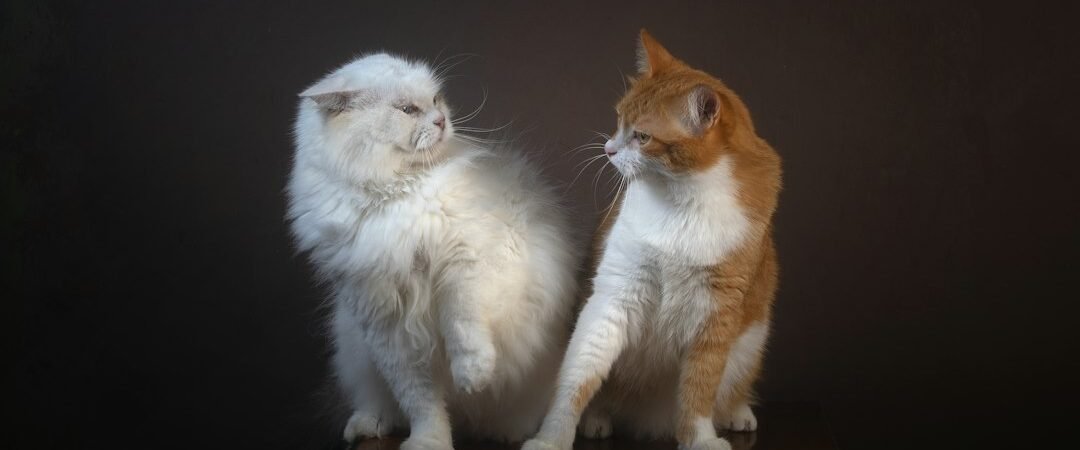
Persian Cat vs Ragdoll is a useful comparison if you are choosing between two affectionate, long-haired breeds. Both can make wonderful companions, but they differ in facial structure, adult build, coat care, activity patterns, and some inherited health risks.
In a Persian Cat vs Ragdoll comparison, one of the clearest everyday differences is grooming: Persians usually need daily combing and more facial cleaning, while Ragdolls generally need at least weekly combing. Both breeds shed and need routine care, and an individual cat may not match every breed stereotype.
Use this guide to compare appearance, temperament, grooming, health screening, costs, and household fit. Choose the cat whose needs fit your life.
Reviewed and updated on October 21, 2026.
History Of Ragdoll vs Persian Cat
The Ragdoll breed was developed in California in the 1960s, with early accounts connecting it to breeder Ann Baker and a longhaired cat named Josephine. Some historical details remain uncertain. See the TICA Ragdoll Breed Profile for current breed guidance.
Ragdolls were selectively bred to enhance these traits, resulting in a cat breed that is affectionate, easygoing, and friendly. The name “Ragdoll” was inspired by the breed’s tendency to go limp and relaxed when held, much like a ragdoll toy.
Persians are an old and recognizable pedigree breed, known for their round head, long coat, and gentle appearance. Some accounts of the breed’s early origins remain uncertain. See the TICA Persian Breed Profile for current descriptions of appearance, temperament, and care.
Over the centuries, Persian cats have been selectively bred to enhance their unique features, such as their long, flowing coats, flat faces, and large, expressive eyes.
Physical Differences
Face and Body:
One of the most striking differences between Ragdoll and Persian cats is their facial structure. Persian cats have a flat, brachycephalic face, which is a result of selective breeding for a distinctive look. This facial structure, while unique, can lead to health issues such as respiratory problems, tear staining, and dental issues due to the shape of their jaws.
Ragdolls generally have a longer muzzle and less flattened facial profile than many modern Persian lines, and blue eyes are a defining breed feature. That difference may reduce some concerns associated with extremely short faces, but it does not make Ragdolls free of health problems or automatically healthier overall. Individual structure, inherited risks, and veterinary findings matter.
Coat Type and Maintenance:
Persian cats have long, dense fur that requires daily grooming to prevent tangles and mats. Their coat is prone to matting, especially around the neck, under the legs, and in other areas where friction occurs. Persian cats also require regular baths to keep their fur clean and free of excess oils, which can lead to skin issues if not properly managed.
In contrast, Ragdolls have a semi-long, silky coat that is often easier to maintain than a Persian coat, although coat density varies by cat and season. They can still develop tangles, especially under the legs and around friction points, and they do shed. Weekly combing is a useful baseline, with more frequent grooming when loose hair or knots increase.
Size:
Ragdolls are generally larger than Persian cats, with a more muscular build and a long, sturdy body. Male Ragdolls can weigh up to 20 pounds, while females typically weigh between 10-15 pounds.
Persians usually have a compact, cobby, muscular build and appear broad because of their dense coat. Individual weights vary, so body condition and veterinary advice matter more than a single number on a breed chart.
The difference in size can be an important factor for potential owners, especially those with space limitations or a preference for a particular cat size. Ragdolls, with their larger size and longer bodies, may require more space to move comfortably, while Persians are well-suited for smaller living environments.
Personality Traits
Ragdolls are often described as “puppy-like” due to their affectionate and loyal nature. They are highly sociable cats who enjoy following their owners around and being involved in household activities. Ragdolls are known for their gentle and laid-back demeanor. They are tolerant of being picked up and handled. Unlike many cats, Ragdolls are not typically aloof; instead, they thrive on companionship and are happiest when they are close to their favorite humans.
Although Ragdolls are generally calm, they do enjoy interactive play and can be quite playful, especially with their favorite toys. They are not overly high-energy but are more active than Persian cats.
Persians are known for their calm, gentle, and affectionate nature. They are sweet-tempered cats that enjoy being around their owners but are not typically demanding attention. Persians prefer a peaceful environment where they can relax without too much disturbance.
They are not as sociable as Ragdolls but are still very loving and enjoy being petted and pampered. Persians are content to sit quietly beside their owners or rest in a comfortable spot, and they are happiest when they can relax in a serene and stable environment.
Persian cats are not very active compared to other breeds. They are content to spend most of their time resting or observing their surroundings. While they do enjoy the occasional play session, especially with interactive toys or feather wands, they are not known for their athleticism or high energy levels.
Grooming & Maintenance Needs
Persian Cats:
For many owners deciding on Persian Cat vs Ragdoll, daily coat care is one of the biggest practical differences. A Persian’s long, dense fur usually needs daily combing to prevent tangles and mats, which can be painful and may irritate the skin. Baths should be based on coat condition and veterinary or grooming advice rather than an identical schedule for every cat.
Their brachycephalic facial structure also means that they are prone to tear staining, requiring regular eye cleaning to maintain their appearance. Persians are also more prone to dental issues due to their jaw structure, so dental care is an important part of their grooming routine. Owners should be prepared to invest time and effort into maintaining their Persian cat’s coat and overall health.
Ragdoll Cats:
Ragdolls have a semi-long coat that is much easier to manage compared to Persians. Their fur is less prone to matting, and brushing two to three times a week is usually sufficient to keep it looking healthy. While they do shed, their grooming needs are more manageable, making them a good choice for owners who want a long-haired cat without the intensive grooming requirements of a Persian.
Ragdolls are generally good at keeping themselves clean, and they do not require frequent baths unless they get into something particularly dirty. Regular grooming helps reduce shedding and keeps their coat in good condition, but overall, Ragdolls are considered a low-maintenance breed in terms of grooming.
Health Considerations
In the Persian Cat vs Ragdoll health comparison, neither breed should be described as risk-free. Persian cats with very shortened faces may experience breathing difficulty, eye irritation or tear drainage problems, and dental crowding. The breed can also be affected by polycystic kidney disease (PKD). Ask for relevant screening records and discuss an individual cat’s risk with a veterinarian.
Ragdolls can be affected by hypertrophic cardiomyopathy (HCM), an inherited disease that thickens the heart muscle. Ask the breeder for documented results from relevant genetic testing and discuss family history and veterinary assessment with your vet. A DNA test covers particular variants and cannot rule out every case of HCM.
Both breeds benefit from regular veterinary care, a balanced diet, and a healthy lifestyle to maintain their well-being.
Living Environment Preferences
Persians:
Many Persians do well in a quiet, predictable indoor environment where they can rest without constant disturbance. Their tolerance for noise and activity varies, so provide hiding places and a calm retreat. Indoor living or a secure outdoor enclosure helps protect cats from traffic, fights, parasites, and other hazards.
Outdoor environments can pose risks such as respiratory issues, overheating, and exposure to parasites, which can be particularly problematic for Persians due to their unique physical characteristics.
Ragdolls:
Ragdolls often enjoy company and can suit households with regular interaction, enrichment, and play. Their trusting temperament is not a guarantee that an individual cat will be comfortable with every person or pet. Like Persians, they are generally safest indoors or in a secure enclosure, with windows, balconies, and outdoor access properly protected.
They are happiest when they are part of the family and are included in daily activities, whether it’s playtime, cuddle time, or simply lounging nearby.
Pros and Cons of Ragdoll vs Persian Cats
| Breed | Pros | Cons |
|---|---|---|
| Ragdoll | Highly affectionate, great with families, easygoing | Moderate grooming needs, large size |
| Persian | Quiet and calm, beautiful appearance | High grooming requirements, health issues |
Choosing the Right Cat for You
When making a Persian Cat vs Ragdoll decision, start with the time and environment you can realistically provide. A Ragdoll may suit someone who wants a cat that often seeks company and enjoys interactive play. Its coat is usually less time-consuming to maintain than a Persian’s, but it still needs regular combing, play, and preventive veterinary care. Introductions to children and other pets should be slow and supervised.
A Persian may suit someone who appreciates a calmer companion and can commit to daily coat care, eye-area checks where needed, and regular health monitoring. Persians are not automatically aloof or independent, and Ragdolls are not guaranteed to be outgoing. For either breed, meet the individual cat when possible and ask the breeder or rescue about its known temperament and care routine.
Persian Cat vs Ragdoll: At a Glance
The practical difference is not simply that one cat is calm and the other is sociable. Both breeds can be affectionate, and individual personality depends on genetics, early socialisation, health, and the home environment. The key takeaway from this Persian Cat vs Ragdoll comparison is that grooming time and facial structure are clear day-to-day differences, while temperament and long-term health vary by individual. The Ragdoll’s characteristic blue eyes and pointed pattern are also defining breed traits.
| Feature | Persian Cat | Ragdoll Cat |
|---|---|---|
| Build | Compact, short-legged, sturdy body | Large, long-bodied, muscular build |
| Face | Round head; face may be very short or less extreme depending on line | Soft, rounded features without the Persian’s typical flattened profile |
| Eyes | Large and round; colour varies by coat and standard | Blue eyes are a defining breed characteristic |
| Coat | Long, dense coat that tangles easily | Semi-long, silky coat that still needs regular combing |
| Grooming baseline | Daily combing is usually needed | Regular weekly combing, more often if tangles develop |
| Typical activity | Often enjoys a calm home and short play sessions | Often enjoys people, interactive play, and following family members |
| Health considerations | Ask about breathing, eye, dental, and PKD screening where relevant | Ask about family history and HCM screening or genetic testing |
Breed descriptions are general guides, not guarantees. Check the individual cat’s health, behaviour, and care needs rather than choosing by appearance alone. For official descriptions, compare the TICA Persian Breed Profile with the TICA Ragdoll Breed Profile.
Grooming, Time, and Everyday Care
How Much Grooming Does Each Breed Need?
A Persian usually needs daily combing with a suitable metal comb to reach through the coat and catch small tangles before they become mats. Check behind the ears, under the legs, around the collar, and near the hindquarters. Some Persians also need regular facial cleaning, especially if their eyes water. Bathing should be based on coat condition and advice from a groomer or veterinarian, rather than a fixed schedule for every cat.
A Ragdoll’s coat is often easier to maintain, but it is not maintenance-free. Comb it at least weekly and check friction areas for knots, increasing the frequency during shedding seasons or when the coat starts to tangle. Keep grooming sessions gentle and brief, and reward calm behaviour.
Which Cat Costs More to Maintain?
There is no reliable universal price winner. Your costs depend on where you live, the breeder or adoption route, food, routine veterinary care, insurance, grooming supplies, and any treatment the cat needs. Persian grooming can mean more time and possibly professional grooming costs; either breed can incur substantial veterinary bills. Ask for local estimates before committing, and keep an emergency fund for unexpected care.
Health Differences and Responsible Breeder Checks
Neither breed should be described as automatically healthier than the other. Persian cats with very shortened faces can have increased risk of breathing difficulty, tear drainage problems, and dental crowding. Persian lines can also be affected by polycystic kidney disease (PKD). Ragdolls can be affected by hypertrophic cardiomyopathy (HCM), an inherited heart condition. Risk varies by individual and family line, so discuss screening with a veterinarian and ask breeders for documented results.
Questions to Ask Before You Bring a Kitten Home
- Can I see veterinary records, vaccination details, and the kitten’s current health information?
- What health screening has been completed for the parents, including relevant PKD or HCM testing?
- Can I see the kitten with its mother and observe its environment and behaviour?
- What socialisation, diet, and grooming routine has the kitten experienced?
- Will you provide written purchase or adoption documents and ongoing support?
- At what age will the kitten leave its mother, and what transition advice will you provide?
A DNA result can help assess specific inherited variants, but it does not rule out every possible health problem. Ask your veterinarian how test results, family history, and clinical examinations fit together. For more Ragdoll-specific reading, see our Ragdoll Cat Lifespan Guide and Ragdoll Eye Problems Guide.
Which Breed Is Better for Your Home?
Choose a Persian If…
- You enjoy a quieter household and a cat that may be content relaxing nearby.
- You can consistently make time for daily coat care and, where needed, facial cleaning.
- You are prepared to ask careful questions about breathing, eye, dental, and inherited health concerns.
Choose a Ragdoll If…
- You want a cat that often enjoys close company and interactive play.
- You prefer a semi-long coat that usually needs less intensive grooming than a Persian’s coat.
- You can provide companionship, indoor enrichment, climbing or scratching options, and regular health care.
These are tendencies, not promises. Meet the cat if possible, ask about its temperament, and make sure your household can meet its needs. Adult cats from a reputable rescue can also be a good option because their established personality may be easier to assess. That is the most useful way to apply a Persian Cat vs Ragdoll comparison to a real home.
Daily Routine, Lifespan, and Long-Term Costs
The practical side of a Persian Cat vs Ragdoll decision is what caring for the cat will look like on ordinary weekdays, not just how it looks in a photo. Both need daily food and water, a clean litter tray, interaction, safe indoor enrichment, and preventive veterinary care. Their coats and individual personalities affect how much time you will spend on grooming and play.
Can They Handle Time Alone While You Work?
Neither breed should be chosen on the assumption that it can comfortably manage long periods without attention. Many Ragdolls actively seek company, while many Persians enjoy a calm home, but individual cats differ. If you are out for much of the day, arrange predictable play and contact before and after work, provide puzzle feeders and safe resting spots, and consider a trusted pet sitter for longer absences. Do not add a second pet solely to solve loneliness without considering both animals’ compatibility.
Think about your routine honestly: can you provide companionship and play, or will you be more consistent with quiet time and a daily grooming session? Neither answer makes one breed universally better. Meet the individual cat and ask how it responds to handling, visitors, noise, and time alone.
How Much Exercise and Feeding Do They Need?
Both breeds need interactive play, scratching opportunities, and a balanced diet appropriate for their age, weight, and health. Short play sessions spread through the day can encourage movement without overwhelming a cat. Measure food according to veterinary advice and check body condition regularly, since a heavy coat can make weight gain harder to notice. Flat-faced Persians that show noisy breathing, exercise intolerance, or distress need veterinary assessment rather than a more demanding play routine.
What About Lifespan and Lifetime Costs?
Online lifespan estimates vary by source, and an estimate is not a promise for an individual cat. Genetics, preventive care, body condition, environment, and timely treatment all matter. For planning, budget for routine veterinary visits, vaccinations and parasite prevention as advised by your vet, quality food, litter, grooming supplies, dental care, and emergency treatment. Persians may require more coat and facial care, while a Ragdoll may need extra attention to companionship and enrichment. Either breed can develop costly medical conditions.
A Persian vs Ragdoll Cat decision should include the cost of care over the cat’s full life, not only the initial adoption or purchase fee. Compare grooming supplies, food, routine veterinary care, and likely needs for preventive health checks before choosing. Review our Ragdoll Cat Lifespan Guide for more planning context, and ask a local veterinarian for realistic care estimates. The most responsible choice is the cat whose ongoing needs fit your budget and time.
Readers may expect one breed to be the clear winner. There is no universal winner: the right match depends on the individual animal, your household, and the care you can provide. A Ragdoll Cat vs Persian Cat comparison is most useful when it helps you ask better questions about grooming, health history, socialisation, and fit.
FAQs (Because People Keep Asking)
1. Is a Persian cat better than a Ragdoll?
Neither is universally better. A Ragdoll vs Persian Cat choice depends on your home, available grooming time, and the individual cat’s personality. A Persian may suit a calmer home that can manage daily grooming, while a Ragdoll may suit people looking for a more socially engaged companion. Match the individual cat to your routine and capacity for care.
2. Which is easier to groom, a Persian or a Ragdoll?
Ragdolls are generally easier to groom. In a Persian vs Ragdoll Cat comparison, Persians typically need daily combing because their long, dense coats mat more readily. Ragdolls still need regular combing and checks for knots, particularly under the legs and around friction points.
3. Are Ragdoll cats bigger than Persian cats?
Ragdolls are generally larger and longer-bodied. Actual adult size varies with sex, genetics, and body condition, so use the breed’s typical build as a guide rather than a guaranteed weight.
4. Do Persian cats have more health problems?
Persians, especially those with very flat faces, can face breathing, eye, and dental concerns, and the breed can be affected by PKD. Ragdolls have their own inherited risks, including HCM. Ask for documented screening and consult a veterinarian about the individual cat.
5. Are Persian cats or Ragdolls better with children?
Both may live well with respectful children, but temperament differs between individuals. Teach children to handle cats gently, provide a quiet retreat, and never force a cat to be picked up or cuddled.
6. Do Persian cats and Ragdolls shed?
A Persian vs Ragdoll Cat shedding comparison has no fixed winner because both breeds shed, and the amount varies by season, coat, health, and individual cat. Regular combing helps remove loose hair and identify tangles early, but neither breed is guaranteed to be low-shedding.
7. Are Ragdolls hypoallergenic?
No cat breed is reliably hypoallergenic. Allergic reactions are linked to proteins produced by cats, not just the length of their fur. If allergies are a concern, spend time around the specific cat before adopting and discuss symptoms with a healthcare professional.
8. Can a Persian and a Ragdoll have the same eye colour?
Persian eye colour varies with coat colour and breed standard. Blue eyes are a defining feature of Ragdolls. Eye colour alone cannot confirm a cat’s breed or pedigree.
9. How can I tell if a cat is a purebred Persian or Ragdoll?
Appearance alone cannot prove pedigree. A Ragdoll Cat vs Persian comparison should not be decided by looks alone. Ask for registration and parentage records from a recognised registry and verify the documents. A veterinarian can assess health and physical traits but does not establish pedigree from appearance alone.
10. Can a Persian and a Ragdoll live together?
They may live together successfully if their individual temperaments are compatible and introductions are gradual. Give each cat separate food and water stations, litter trays, resting areas, and escape routes. Supervise early interactions and do not assume that either breed will automatically accept another cat.
11. What should first-time owners compare in a Ragdoll Cat vs Persian Cat decision?
Either can suit a first-time owner who understands the care commitment. A Persian Cat vs Ragdoll decision should account for daily grooming, the cat’s social needs, likely health screening, and ongoing costs. Ask the breeder or rescue for a realistic description of the individual cat rather than relying on breed labels alone.
12. Which cat sheds more, a Persian or a Ragdoll?
Both shed, and the amount varies with season, coat, health, and the individual cat. Persian coats are dense and can retain loose hair in tangles, while Ragdoll coats also need regular combing. Grooming is useful for coat care but does not make either breed shed-free.
13. Are Persian cats or Ragdolls better for apartment living?
Both breeds can adapt to an apartment if they have adequate space, clean litter facilities, scratching surfaces, resting spots, and daily play. The Ragdoll may seek more social interaction, while many Persians appreciate a quieter setup, but individuals vary. Safe windows and balconies are essential.
Editorial Note
This Persian Cat vs Ragdoll guide is intended to help readers compare everyday care requirements and prepare better questions for breeders, rescues, and veterinarians. Breed descriptions identify common tendencies, not guarantees about an individual cat. Health information is educational and does not replace an examination or advice from a qualified veterinarian. When health concerns are present, use your veterinarian’s assessment rather than making a decision from a breed label alone.
Trusted Sources
Breed-specific details in this article were checked against recognised registry profiles and published veterinary or allergy guidance. These references help distinguish standard breed traits from health risks that require individual assessment.
- TICA Persian Breed Profile for Persian appearance, temperament, grooming, and recommended health checks.
- TICA Ragdoll Breed Profile for Ragdoll body type, coat care, eye colour, and HCM-related breeder guidance.
- Cornell Feline Health Center: Hypertrophic Cardiomyopathy for clinical context on HCM and the limits of genetic screening.
- American College of Allergy, Asthma & Immunology: Pet Allergies for the point that no cat breed is reliably hypoallergenic.
- PKD in Ragdoll Cats Guide and Ragdoll Eye Problems Guide for related Ragdoll health topics covered elsewhere on this site.
How This Guide Is Researched and Kept Current
We compare official breed profiles with veterinary and specialist guidance, distinguishing common breed traits from health risks that need veterinary assessment. We do not treat appearance as proof of pedigree, DNA testing as a complete health guarantee, or either breed as universally healthier or more affectionate. Reviewed on October 21, 2026, this guide should be checked against current registry guidance and a veterinarian’s advice for individual health decisions.
If you notice outdated information or have a question about this guide, please use our Contact Us Page. For background on the site and its editorial approach, see About Ragdoll Care World.
About the Author
Abdul Khader is a Ragdoll enthusiast, researcher, and writer who creates cat-breed explainers and care guides for Ragdoll Care World. His articles bring together breed-registry information, published veterinary resources, and practical questions owners should consider before welcoming a cat into their home. He is not a veterinarian, and medical concerns should be reviewed with a qualified veterinary professional. Read more on the About Us Page or Contact Us Page.
Sources and Further Reading
The following registry, genetics and veterinary resources support the breed, care and health information discussed in this guide. Check the original source for current guidance, and consult a veterinarian about the needs of an individual cat.
- TICA Ragdoll Breed Profile
- TICA Persian Breed Profile
- Cornell Feline Health Center: Hypertrophic Cardiomyopathy
- American College of Allergy, Asthma & Immunology: Pet Allergies
What We Have Covered
This guide brings together the main points to consider when researching Persian Cat vs Ragdoll: Size, Temperament & Care. It covers:
- History Of Ragdoll vs Persian Cat
- Physical Differences
- Personality Traits
- Grooming & Maintenance Needs
- Health Considerations
Use the breed and care information as a starting point, then check relevant records and seek advice from a qualified veterinarian or the appropriate breed registry when making decisions about an individual cat.