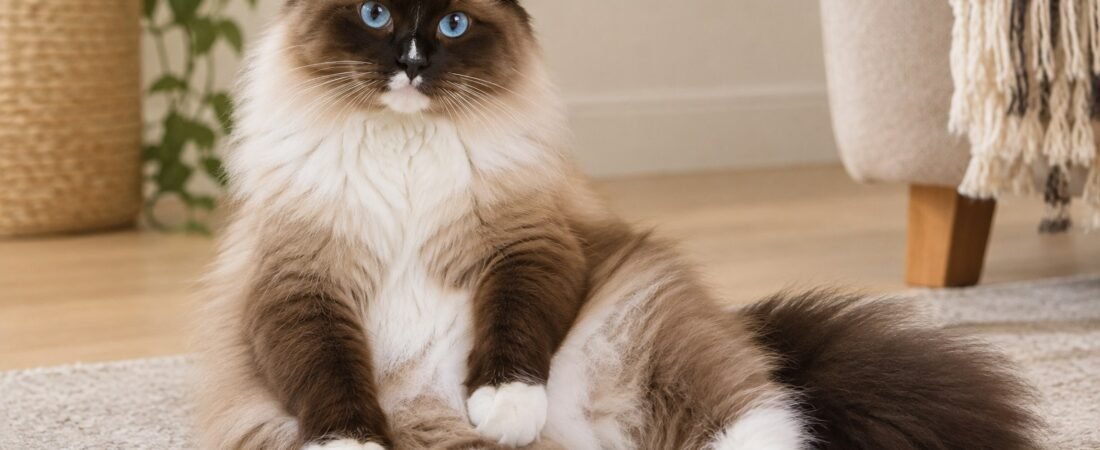
Lilac vs Blue Ragdoll comes down mainly to the shade of the color points, not personality or body type. A Lilac Ragdoll has frosty grey points with a pinkish-lavender cast and a very pale body, while a Blue Ragdoll has cooler, deeper blue-grey points and a bluish-white body. Both are Ragdolls, and both are expected to have blue eyes under the traditional breed standard.
This updated comparison explains how to tell the colors apart in natural light, what to check on the nose leather and paw pads, how color genetics work, and what to ask a responsible breeder. The phrase Lilac Ragdoll vs Blue Ragdoll describes a color comparison, not two separate breeds.
Reviewed and updated on October 22, 2026.
Understanding the Ragdoll Color Standard
Ragdolls are a pointed, semi-longhaired breed. Their body coat is lighter than the color on the ears, face mask, legs, and tail. Under the traditional Ragdoll standard, both blue and lilac are accepted point colors, and blue eyes are a defining feature of pointed Ragdolls. The TICA Ragdoll Breed Profile describes the breed’s recognized colors and patterns, while the CFA Ragdoll Standard gives more specific point-color descriptions.
Color is only one part of choosing a cat. The two colors share the same breed structure and basic care needs, and a kitten’s friendliness, confidence, and activity level are individual traits that should be assessed directly rather than guessed from its coat shade. For a wider look at recognized shades and markings, read our Ragdoll Cat Colors and Patterns Guide.
Lilac vs Blue Ragdoll: 5 Key Differences
For a practical Lilac vs Blue Ragdoll comparison, start with the ears, face mask and tail, where the point color is usually easiest to compare.
1. Color Tone:
Lilac points are usually described by breed standards as frosty grey with a pinkish tone. A lilac cat’s pale body can look nearly white, especially in bright photographs, but the key is the soft pink-lavender cast in the colored points rather than a perfectly white coat.
Blue points are a deeper, cooler blue-grey. The body often reads as bluish white or platinum-toned rather than pure white. Lighting, camera white balance, age, and the cat’s individual coat can all change how the shade appears, so avoid identifying a cat from one edited photo.
2. Rarity:
Blue Ragdolls are often easier to find in many breeder directories, while lilac kittens may be less frequently available in a particular area. That is a general availability pattern, not a guarantee. Litter plans, location, pedigree, registration, breeder reputation, demand, and the individual kitten all affect availability and price.
Do not treat a high price as proof that a kitten is rare, healthy, or well-bred. Ask for registration and parent information where applicable, veterinary records, age-appropriate vaccinations and parasite care, and the breeder’s written health policies. Compare the full care and support offered rather than paying extra for a color label alone.
3. Genetic Background:
Blue is the dilute form of black pigment, producing the blue-grey point color. Lilac is the dilute form of chocolate pigment, producing the pale grey shade with a pinkish-lavender cast. In broad terms, lilac requires the chocolate-color allele combination as well as the dilution combination; a cat’s exact genotype cannot be confirmed reliably from a photograph alone.
This distinction matters because calling blue a dilution of seal can be an oversimplification. Seal describes the dark brown point appearance, while blue describes the dilute blue-grey appearance. Likewise, lilac is not simply a very pale blue: breed standards distinguish lilac by its frosty, pink-toned points. For a specific breeding or pedigree question, ask the breeder how the parents’ color genetics were established and request records or testing information where relevant.
4. Visual Appeal:
The visual appeal of Lilac and Blue Ragdolls often comes down to personal preference. Lilac Ragdolls have a delicate and almost ethereal look due to their light coloring and pinkish undertones. This color gives them a unique, refined elegance that many cat enthusiasts find irresistible. Their rarity also adds to their allure, making them an ideal choice for those who want something truly special.
Blue Ragdolls, with their cool, classic blue-grey fur, have a more traditional and sophisticated appearance. They have a timeless beauty that is often associated with elegance and grace. Blue Ragdolls are perfect for those who appreciate a more distinguished, regal-looking cat. The depth of the blue color can vary, but it always conveys a sense of quiet nobility that is highly appealing.
5. Personality Perception:
There is no sound basis for assuming a lilac Ragdoll is gentler or a blue Ragdoll is more dependable because of coat color. Temperament is shaped by genetics, early handling, socialization, health, and individual personality. Meet the kitten when possible and ask the breeder how it responds to people, ordinary household sounds, play, and being handled appropriately.
Choose the cat whose needs and personality suit your household, not the shade that sounds more exclusive. A confident, well-socialized blue kitten may fit your home better than a shy lilac kitten, or the reverse. Color alone cannot predict affection, energy, sociability, or how a cat will behave with children and other pets.
Lilac vs Blue Ragdoll at a Glance
Use this table as a first check, not a substitute for a pedigree or advice from a knowledgeable breeder. The Lilac vs Blue Ragdoll distinction is easiest to see by comparing the points in natural, neutral light rather than judging the overall body coat alone.
| Feature | Lilac Ragdoll | Blue Ragdoll |
|---|---|---|
| Point color | Frosty grey with a pinkish or lavender cast | Cool blue-grey, usually deeper and less pink |
| Body coat | Very pale, often glacial or creamy white | Bluish white to a cooler platinum tone |
| Nose leather | Typically lavender-pink | Typically slate-grey |
| Paw pads | Usually lavender-pink, depending on pattern | Usually slate-coloured, depending on pattern |
| Eye color | Blue under the traditional pointed Ragdoll standard | Blue under the traditional pointed Ragdoll standard |
| Pattern options | Colorpoint, mitted, bicolor and recognized pattern variations | Colorpoint, mitted, bicolor and recognized pattern variations |
| Personality and care | No reliable difference based on color alone | No reliable difference based on color alone |
Check the Points First
The points are the colored areas on the ears, facial mask, legs and tail. Blue points tend to look like cool steel or slate, while lilac points look paler and carry a muted pinkish-grey cast. Because both colors can photograph as plain grey, compare several parts of the coat rather than relying on one patch of fur.
Compare Nose Leather and Paw Pads
Nose leather and paw pads can provide useful supporting clues. A blue Ragdoll commonly has slate-coloured pigment, while lilac is associated with lavender-pink pigment. These details can be hard to judge on a moving kitten, in low light, or from a photo with a filter. Pattern, individual pigmentation and image quality can complicate a visual check, so treat color clues as a combined assessment, not a guaranteed test.
Do not force a cat to let you inspect its paws. If the kitten is uncomfortable, leave the check to its caregiver or breeder. You can still compare clear photographs taken in daylight and ask for an unedited view of the face, ears, tail and paw pads.
How to Identify a Lilac or Blue Ragdoll From Photos
Photos help narrow down the color, but they are not definitive. Indoor bulbs can make a blue coat appear beige or a lilac coat appear flat grey. Phone processing, warm filters and overexposure can erase the pink cast that helps distinguish lilac points. For a fair Lilac vs Blue Ragdoll photo comparison, use several unedited images taken in similar natural light.
- Look for several views: face, both ears, legs, tail and whole body.
- Prefer soft daylight and unedited images over heavily brightened portraits.
- Compare the point color with the body coat, not with a color sample on a screen.
- Look for a pinkish-lavender cast in lilac points and a cooler slate or steel cast in blue points.
- Ask for the registered color and pattern from the breeder if the identification matters for registration or breeding.
If you are comparing kittens online, ask whether photos show the same lighting and whether the kitten’s color has been recorded by the breeder or registry. For more examples of other point shades and patterns, see our Blue Point Ragdoll Cat Guide and Chocolate Ragdoll Cat Guide.
Do Lilac and Blue Ragdoll Kittens Change Color as They Grow?
Yes. Ragdoll kittens are born very pale, and their point color develops over time. As a kitten matures, the ears, face, feet and tail become more clearly pigmented. The final shade can continue to deepen as the cat grows, so a very young kitten may not show the same contrast as an adult. This is important when making a Lilac vs Blue Ragdoll identification from kitten photos.
Temperature-sensitive color development is part of the pointed pattern: cooler body areas tend to show more pigment than warmer areas. This is one reason the points are darker than the torso. It does not mean that every kitten will develop at the same rate or that a photo of a young kitten is enough to confirm its eventual shade.
When Can You Tell If a Ragdoll Is Lilac or Blue?
Some kittens show useful clues early, but the color becomes easier to judge as the point pigment develops. Ask the breeder how they identified the kitten and whether the parents’ colors and pedigree support that identification. Be cautious of anyone promising an exact adult appearance from a single newborn photograph.
Does the Ragdoll Pattern Change the Color Difference?
The point color and the coat pattern are separate characteristics. A lilac or blue Ragdoll may appear in more than one recognized pattern, including colorpoint, mitted and bicolor. In a Lilac vs Blue Ragdoll comparison, pattern mainly changes where white markings appear; it does not turn lilac pigment into blue pigment or the reverse.
Colorpoint, Mitted and Bicolor
- Colorpoint: The face, ears, legs and tail carry the point color without white spotting in the classic pattern.
- Mitted: White mittens on the front paws and white boots on the hind legs are typical, with additional white markings described in the standard.
- Bicolor: More extensive white markings include the chest, legs and underside, commonly with an inverted white V on the face.
White markings can cover some of the colored areas, making the point shade harder to compare at a glance. Check the ears, remaining facial mask and tail where the pigment is visible. TICA’s Ragdoll Breed Profile explains these pattern descriptions; registry requirements can differ, so check the standard used for a particular pedigree.
Are Lilac and Blue Ragdolls Different in Personality or Health?
Coat color by itself is not a reliable predictor of temperament, health, intelligence, or how affectionate a cat will be. Lilac and blue Ragdolls share the breed’s general care needs, including regular grooming, play, scratching options, daily interaction and routine veterinary care. Individual cats can still differ considerably.
Health Screening Matters More Than Color
When choosing between them, pay more attention to the kitten’s health records, socialization, energy level, response to handling, and the breeder’s transparency than to a claim that one color is calmer or healthier. Ask about the parents’ veterinary history and health screening. Ragdolls can be affected by hypertrophic cardiomyopathy (HCM), and a color label does not remove that risk.
What an HCM DNA Test Can and Cannot Tell You
The UC Davis Veterinary Genetics Laboratory’s Ragdoll HCM Test Information explains a test for a specific Ragdoll-associated HCM mutation. The lab notes that the test detects that mutation only, so a result does not replace veterinary assessment or heart screening and does not rule out every possible cause of heart disease. Ask your veterinarian what screening is appropriate for the individual cat.
Grooming and Everyday Care
Neither shade needs a different grooming routine solely because it is lilac or blue. Comb the semi-long coat regularly, especially around the ruff, trousers and areas where friction causes tangles. Trim nails as needed, keep litter and food areas clean, provide daily interactive play, and arrange routine veterinary checks. A pale coat may show certain stains more clearly, but that is a practical appearance issue rather than a different health requirement.
What Should You Ask a Ragdoll Breeder?
Use this checklist when viewing a lilac or blue kitten. A responsible breeder should be willing to explain the kitten’s background without making exaggerated promises about rarity, personality or future appearance.
- What color and pattern are recorded for the kitten, and what supports that identification?
- Can I see the kitten with its mother and, where appropriate, information about the sire?
- What veterinary checks, vaccinations and parasite treatments has the kitten received?
- What health screening has been carried out on the parents, including relevant HCM screening?
- At what age can the kitten leave, and what written contract, health records and ongoing support are provided?
- How is the kitten socialized, and how does the breeder assess its individual temperament?
- What happens if a veterinary concern appears after the kitten goes home?
Be wary of sellers who rely on color alone to justify an unusually high price, avoid sharing veterinary records, pressure you to pay quickly, or will not answer questions. In the United States, the Cat Fanciers’ Association Ragdoll Profile and The International Cat Association Ragdoll Profile are useful starting points for checking breed descriptions and finding registry guidance. Always assess a breeder in your own country against local laws and animal-welfare standards.
Lilac Ragdoll vs Blue Ragdoll: Which Should You Choose?
If you prefer a pale, frosty point color with a pink-lavender undertone, you may be drawn to lilac. If you prefer a more pronounced, cool blue-grey point color, blue may suit your taste. Neither is inherently better. The best choice is a healthy, well-socialized cat from a transparent and responsible source whose long-term care needs fit your household.
Before paying a deposit, compare records and support rather than color-based marketing. Ask for a written agreement, review the kitten’s veterinary documentation, and make sure you can meet its needs throughout its life. Read our broader Ragdoll Cat Colors and Patterns Guide if you are still deciding among other recognized shades.
Quick Decision Guide
Use color preference as a final tie-breaker after you have checked health, socialization, breeder transparency and the practical cost of lifelong care. A lilac kitten is not a better choice simply because it is less frequently advertised, and a blue kitten is not automatically a better value because it may be easier to find locally.
- Choose by appearance if you consistently prefer pale grey points with a pinkish-lavender cast.
- Choose by appearance if you consistently prefer a cooler, more pronounced blue-grey point color.
- Pause the purchase if the seller cannot explain the kitten’s background or provide appropriate records.
- Meet the kitten and consider temperament, household fit and veterinary needs before paying a deposit.
FAQs (Because People Keep Asking)
What is the difference between Lilac and Blue Ragdoll kittens?
Lilac Ragdoll kittens have a lighter, pinkish-grey coat that almost appears silver, while Blue Ragdoll kittens have a cool-toned, silvery-grey coat. The difference lies mainly in the shade of the coat, with Lilac being softer and paler compared to Blue.
What is the prettiest Ragdoll color?
Beauty is subjective, but many people consider the Lilac Ragdoll to be one of the prettiest due to its soft, delicate coloring. Other popular favorites include the striking Seal and the elegant Blue. In the Lilac vs Blue Ragdoll choice, appearance is personal and should come after health and breeder checks.
How rare are Lilac Ragdolls?
Lilac Ragdolls are quite rare compared to other Ragdoll colors. Their specific genetic combination makes them less common, which often means they are more expensive and harder to find.
Are Blue Ragdoll cats rare?
Blue Ragdolls are often easier to find than lilac Ragdolls, but availability depends on the country, breeder, current litters and pedigree. Price is not a dependable measure of color quality or responsible breeding.
Is a Lilac Ragdoll Lighter Than a Blue Ragdoll?
Usually, yes. Lilac points are described as frosty grey with a pinkish tone, while blue points are cooler blue-grey. The exact shade can vary with age, lighting and the individual cat, so compare multiple areas in natural light.
Can You Tell a Lilac Ragdoll From a Blue One by the Nose?
Nose leather can help. Lilac is associated with lavender-pink pigment and blue with slate-grey pigment. Use this clue alongside the points, paw pads, body coat and breeder records rather than treating the nose color as a stand-alone test.
Do Lilac and Blue Ragdolls Both Have Blue Eyes?
Yes. Blue eyes are part of the traditional pointed Ragdoll breed standard for both colors. Eye shade can look different in photos because of lighting, but eye color does not identify lilac versus blue points.
Does Color Affect a Ragdoll’s Personality?
There is no reliable reason to predict personality from lilac or blue coat color. Assess the individual cat’s confidence, socialization, health and behavior, and ask the breeder how the kitten responds to normal household activity.
Are Lilac Ragdolls More Expensive Than Blue Ragdolls?
They may be priced higher by some breeders or be harder to find in certain areas, but there is no universal price difference. Country, pedigree, health care, registration, breeder practices and local demand all affect cost. Compare records and support, not just the advertised color.
Do Lilac and Blue Ragdoll Kittens Change Color as They Grow?
Yes. Point pigment develops after birth, and the points can become easier to distinguish as kittens mature. Lighting and age both affect appearance, so ask the breeder for updated photos and the documented color identification.
Conclusion
Both Lilac and Blue Ragdolls are stunning cats with unique coat colors that make them stand out. The choice between a Lilac and a Blue Ragdoll ultimately comes down to personal preference in color and availability. Lilac Ragdolls, with their delicate pinkish hue, are rarer and may require a bit more effort and cost to obtain, while Blue Ragdolls are more common and have a classic, cool-toned beauty. Regardless of the color, both varieties have the wonderful, loving temperament that Ragdolls are famous for. If you’re ready to welcome a Ragdoll into your home, either of these colors would make for a beautiful and affectionate companion.
Editorial Note
This article compares recognized Ragdoll point-color descriptions for general education. Coat color can be difficult to identify from photographs, and this guide is not a substitute for pedigree documentation, a registry’s current standard, or professional veterinary advice. We avoid treating color as a predictor of temperament, health or overall quality.
Trusted Sources
- The International Cat Association: Ragdoll Breed Profile, for recognized colors, patterns and general breed information.
- The Cat Fanciers’ Association: Ragdoll Breed Standard, for descriptions of blue and lilac point colors.
- UC Davis Veterinary Genetics Laboratory: Ragdoll HCM Test, for general information about the known Ragdoll HCM genetic test.
How This Guide Is Researched and Kept Current
We compare color descriptions against breed-organization guidance, separate recognized color characteristics from assumptions about personality, and review practical kitten-selection questions. This page was reviewed and updated on October 22, 2026. Registry terminology and breeder availability can change, so readers should confirm current documentation with the relevant organization and breeder before making a purchase decision.
About the Author
Abdul Khader is a Ragdoll enthusiast, researcher and writer who covers Ragdoll colors, patterns, behavior and everyday care. His work focuses on explaining breed information in practical language and helping readers ask better questions when researching a cat. He is not a veterinarian, and health decisions should be discussed with a qualified veterinary professional.
Sources and Further Reading
The following registry, genetics and veterinary resources support the breed, care and health information discussed in this guide. Check the original source for current guidance, and consult a veterinarian about the needs of an individual cat.
- TICA Ragdoll Breed Profile
- CFA Ragdoll Standard
- UC Davis Veterinary Genetics Laboratory’s Ragdoll HCM Test Information
What We Have Covered
This guide brings together the main points to consider when researching Lilac vs Blue Ragdoll: Colors, Eyes & Care. It covers:
- Understanding the Ragdoll Color Standard
- Lilac vs Blue Ragdoll: 5 Key Differences
- Lilac vs Blue Ragdoll at a Glance
- How to Identify a Lilac or Blue Ragdoll From Photos
- Do Lilac and Blue Ragdoll Kittens Change Color as They Grow?
- Does the Ragdoll Pattern Change the Color Difference?
- Are Lilac and Blue Ragdolls Different in Personality or Health?
- What Should You Ask a Ragdoll Breeder?
Use the breed and care information as a starting point, then check relevant records and seek advice from a qualified veterinarian or the appropriate breed registry when making decisions about an individual cat.